Grow guide · Balcony
Plants for a sunny balcony.
Sun bouncing off glass and concrete, wind whipping round the corner, and pots that dry out by lunchtime: a balcony is tough on plants. These love it, and our Outdoors pots are made for it.
Updated

The short answer
- Balcony favourites: lavender, geraniums, rosemary, strawberries, chillies, succulents and dwarf kangaroo paw.
- Most want 6 hours of sun. North- and west-facing balconies get the most, and the hottest.
- Choose Outdoors when you order: it’s made in our outdoor material for sun and weather. Our indoor pots aren’t made for full sun outside.
- Pots dry out fast in sun and wind. Water in the morning, and every day in a hot spell.
Start with the light
Which way does your balcony face?
In Australia the sun sits to the north, so the direction your balcony faces decides what will grow. Check how many hours of direct sun it gets on a summer day.
North-facing
Sun most of the day, all year. Lavender, rosemary, chillies and succulents love it.
East-facing
Morning sun, afternoon shade: the gentlest balcony. Strawberries, geraniums and herbs do well.
West-facing
Hot afternoon sun. Succulents, rosemary and kangaroo paw cope best. Water often in summer.
South-facing or covered
Little direct sun. Skip the sun lovers: shade plants and tough houseplants do better here.
Wind dries pots out and can tip light ones over. Our pots are lightweight, so on a windy balcony group them together in a sheltered corner, against the wall. Never stand or hang pots on the railing.
The plants
What to grow, and how.
At Bunnings, most of these are in the garden centre in 100 to 150 mm pots. A plant from a 140 or 150 mm pot suits our Large (20 cm). Stock changes with the season.
Lavender Easy
Lavandula
- Full sun
- Not pet safe
- Sun
- 6 hours or more. The sunnier, the better.
- Water
- Let the top of the soil dry out between drinks. Drought hardy once settled; it hates wet roots.
- When to plant
- Plant in autumn or spring. Flowers from late spring through summer.
- Good to know
- Trim it by about a third after flowering to keep it compact. In humid areas, choose Spanish or French lavender rather than English.
- Pot
- Large (20 cm), and choose Outdoors.
- Pets
- Toxic to cats and dogs.
Geranium Easy
Pelargonium
- Full sun
- Not pet safe
- Sun
- 6 hours or more; a little afternoon shade in very hot spots.
- Water
- When the top of the soil is dry. They hate sitting wet.
- When to plant
- Plant in spring or autumn. Flowers for months, almost all year in mild areas.
- Good to know
- Pick off the spent flowers and it keeps making more. Cuttings strike easily.
- Pot
- Medium (15 cm) or Large (20 cm), and choose Outdoors.
- Pets
- Toxic to cats and dogs.
Strawberries Easy
Fragaria × ananassa
- Full sun
- Pet safe
- Sun
- 6 hours or more. Morning sun is ideal on a hot balcony.
- Water
- Keep the soil evenly moist: every day in hot weather once they’re fruiting.
- When to plant
- Plant in autumn and winter for fruit in spring and summer.
- Good to know
- Birds love them too: a little netting helps. Replace the plants every two to three years.
- Pot
- Medium (15 cm) for one plant, and choose Outdoors.
Chillies Easy
Capsicum annuum
- Full sun
- Not on the pet list
- Sun
- 6 hours or more, and warmth.
- Water
- Water regularly, more once fruit forms. Don’t let it dry out completely.
- When to plant
- Plant in spring once the nights are warm. Fruits from summer into autumn.
- Good to know
- The more you pick, the more it fruits. In frost-free areas it can keep going for a few years.
- Pot
- Large (20 cm), and choose Outdoors.
- Pets
- Not on the ASPCA list. Hot chillies burn a pet’s mouth, so keep them out of reach.
Rosemary Easy
Salvia rosmarinus
- Full sun
- Pet safe
- Sun
- 6 hours or more. Copes with heat and wind.
- Water
- Let it dry out between drinks. Drought hardy once settled.
- When to plant
- Plant any time outside the height of summer. It lives for years.
- Good to know
- Snip sprigs often to keep it bushy. A prostrate (trailing) variety suits a small pot.
- Pot
- Large (20 cm), and choose Outdoors.
Succulents Easy
Echeveria, sedum and others
- Full sun
- Pet safe
- Sun
- Full sun. Some scorch in the harshest afternoon sun in summer.
- Water
- Water well, then let the soil dry right out. Less in winter.
- When to plant
- Plant in spring or autumn.
- Good to know
- The best choice for a hot, windy balcony that you can’t water every day. Use cactus and succulent mix.
- Pot
- Small (10 cm) or Medium (15 cm), and choose Outdoors.
- Pets
- Echeveria is safe. Jade and aloe are not.
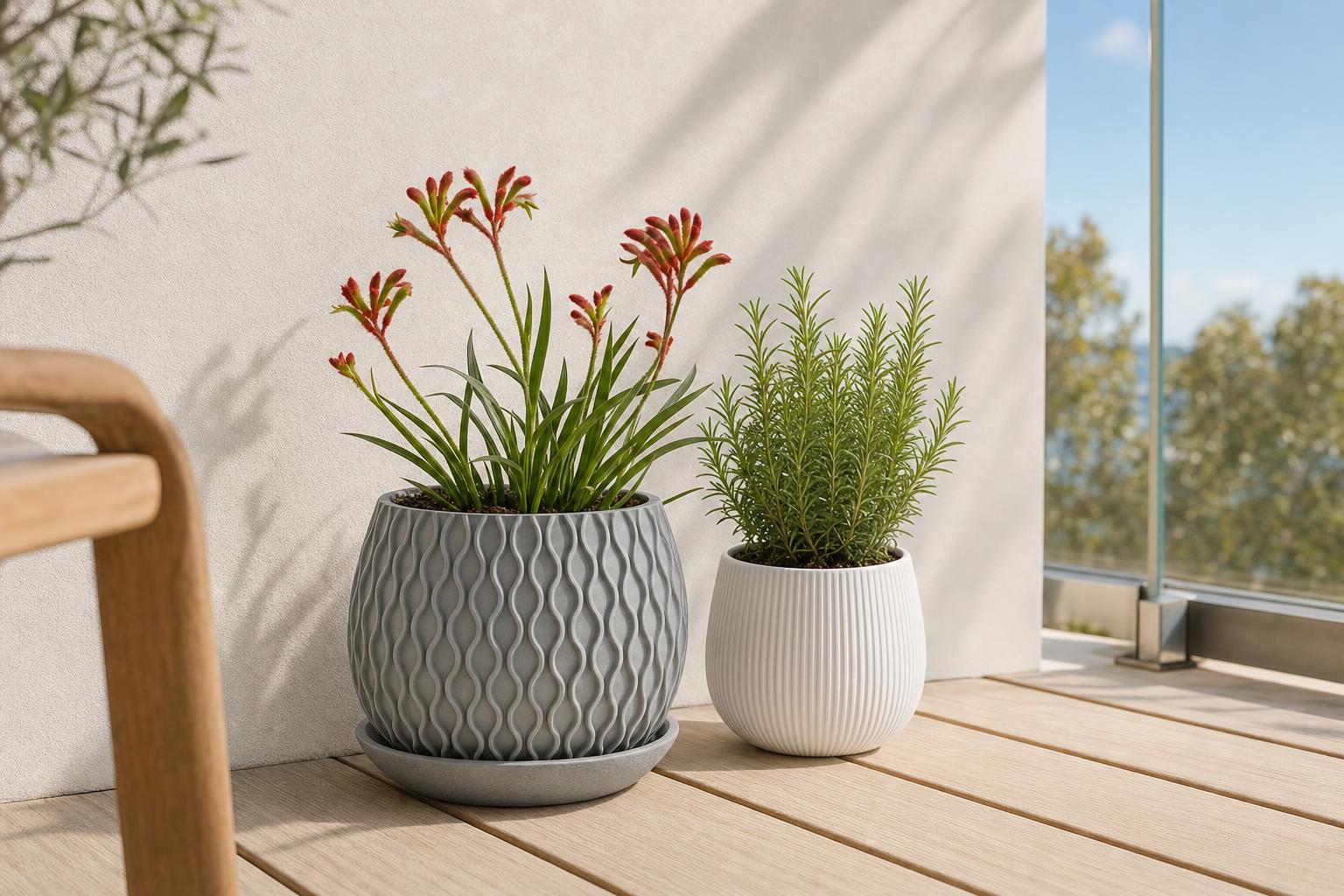
Dwarf kangaroo paw
Anigozanthos (compact hybrids)
- Full sun
- Not on the pet list
- Sun
- 6 hours or more.
- Water
- Let the top of the soil dry between drinks. It hates wet roots.
- When to plant
- Plant in autumn or spring. Flowers in spring and summer.
- Good to know
- Western Australia’s floral emblem. Cut spent flower stems right down to the base. Use native potting mix and a low-phosphorus (native) fertiliser.
- Pot
- Large (20 cm), and choose Outdoors.
- Pets
- Not on the ASPCA list.
Dwarf kangaroo paw at Bunnings (opens Bunnings in a new tab)
Your shopping list
What you’ll need.
Your plants
Pick for your balcony’s sun first, then for looks. Three or more pots grouped together look better and shelter each other from the wind.
Premium potting mix
Outdoors, pots dry out fast: a premium mix holds water better and has a wetting agent to help it soak in.
Native potting mix (for kangaroo paw)
Low in phosphorus, which many Australian natives don’t like.
Slow-release fertiliser
A sprinkle in spring and again in summer feeds them for months.
Wetting agent
Potting mix that dries out completely stops soaking up water. A wetting agent fixes it.
A pot with drainage
Outdoor rain has to get out. Every pot below lets water out, and comes in our Outdoors material.
Through the year
Through the year on a balcony.
For temperate and subtropical Australia. In the tropics, plant in the dry season.
| Plant | SpringSep–Nov | SummerDec–Feb | AutumnMar–May | WinterJun–Aug |
|---|---|---|---|---|
| Lavender | Flowers | Flowers, then trim | Plant | Rests |
| Geranium | Plant · flowers | Flowers, water more | Plant · trim | Slows down |
| Strawberries | Flowers, then fruit | Fruit, water daily | Plant | Plant |
| Chillies | Plant | Fruit | Fruit | Dies back in cold areas |
| Rosemary | Plant · pick | Pick | Plant · pick | Pick |
| Succulents | Plant · grows | Shade from the harshest sun | Plant · grows | Keep drier |
| Kangaroo paw | Flowers | Cut spent stems | Plant | Plant |
When things go wrong
Common problems.
The pots dry out by the afternoon.
Small pots in sun and wind dry out fast. Water in the morning, group pots together, and move up to a bigger pot. If water runs straight through, the mix has dried out: add a wetting agent.
The leaves are scorched or bleached.
Reflected heat from glass and concrete. Move the pots back from the glass, or choose tougher plants like succulents and rosemary for that spot.
A pot blew over.
Group pots together in a sheltered corner against the wall, and pick a wider pot for taller plants.
The geranium has stopped flowering.
It needs more sun, and its old flowers picked off. Feed it in spring and summer.
Something is eating the strawberries.
Usually birds. Cover the plant with a little netting as the fruit starts to colour.
My lavender has gone woody.
It needs a trim every year after flowering. Don’t cut into the old bare wood: it rarely regrows from there.
Pots that suit
Our pots for the balcony.
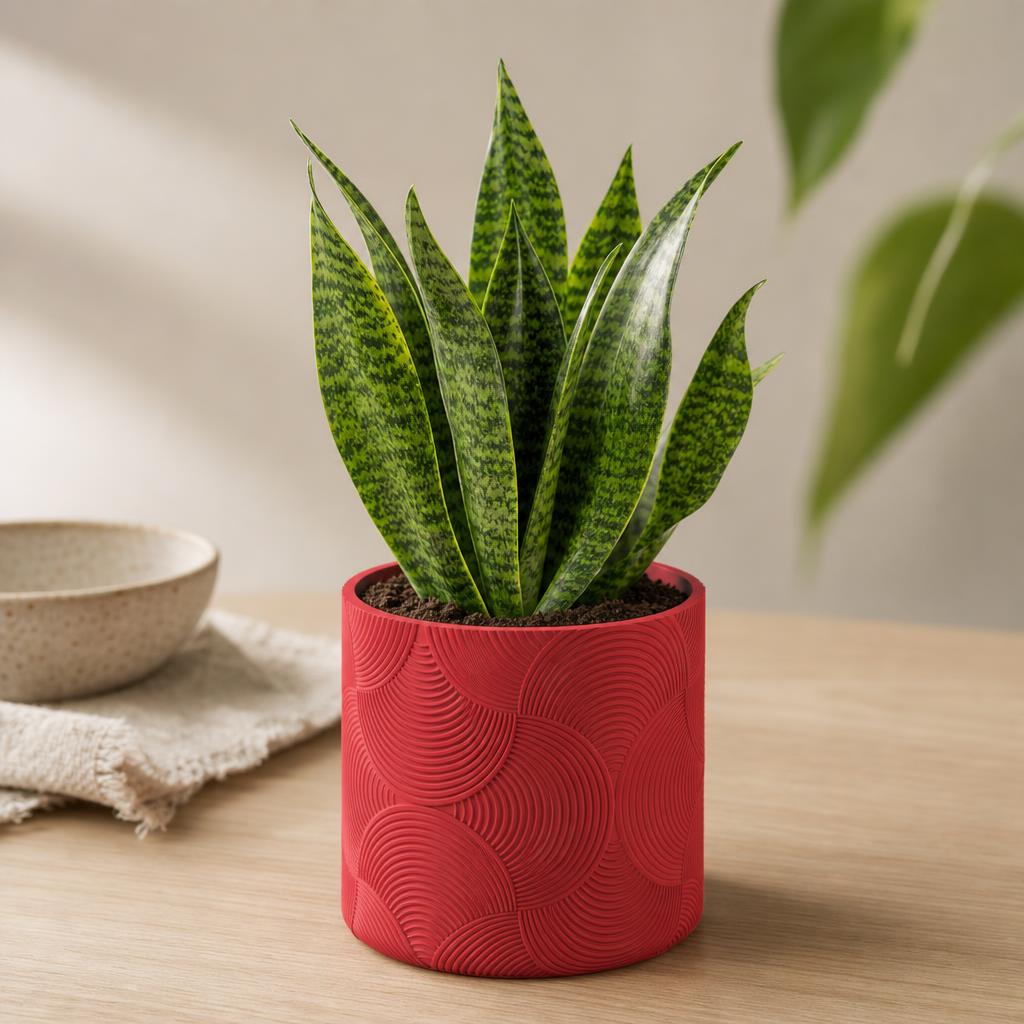
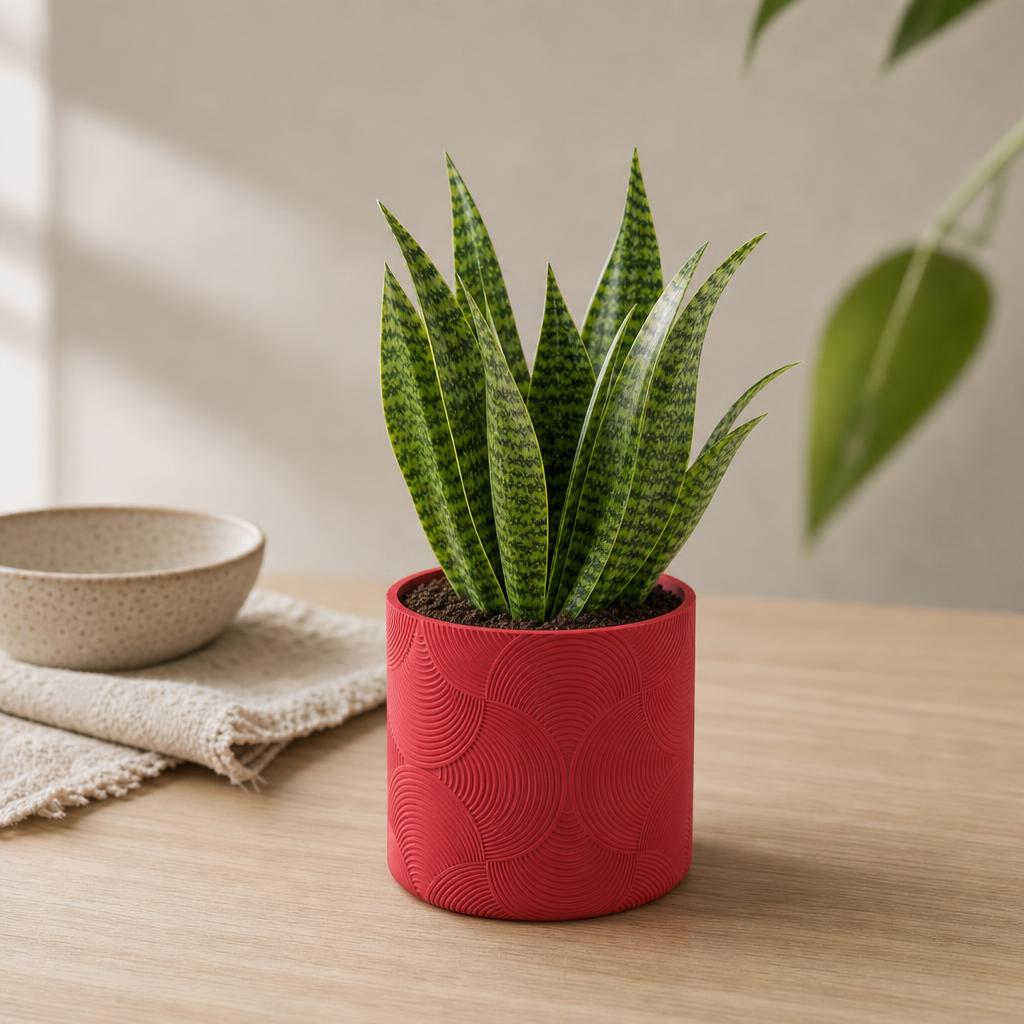
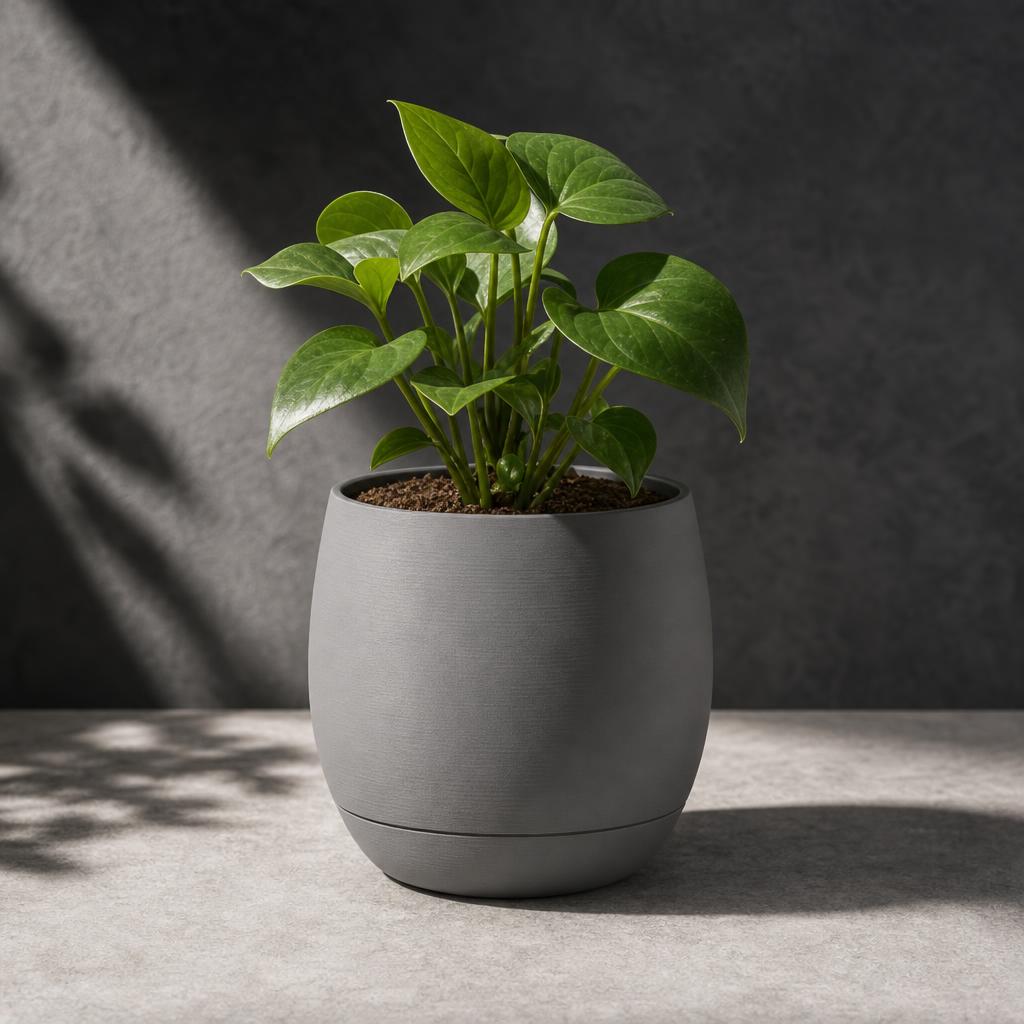
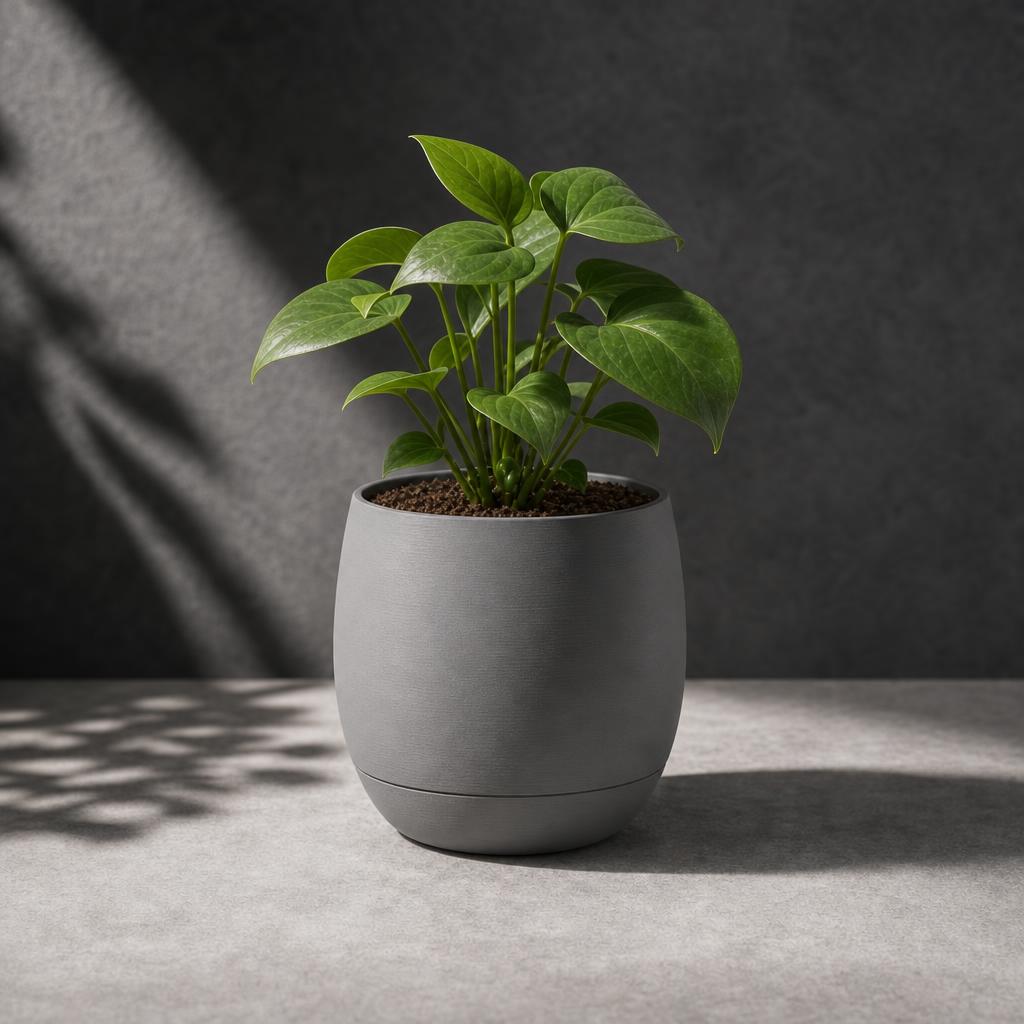
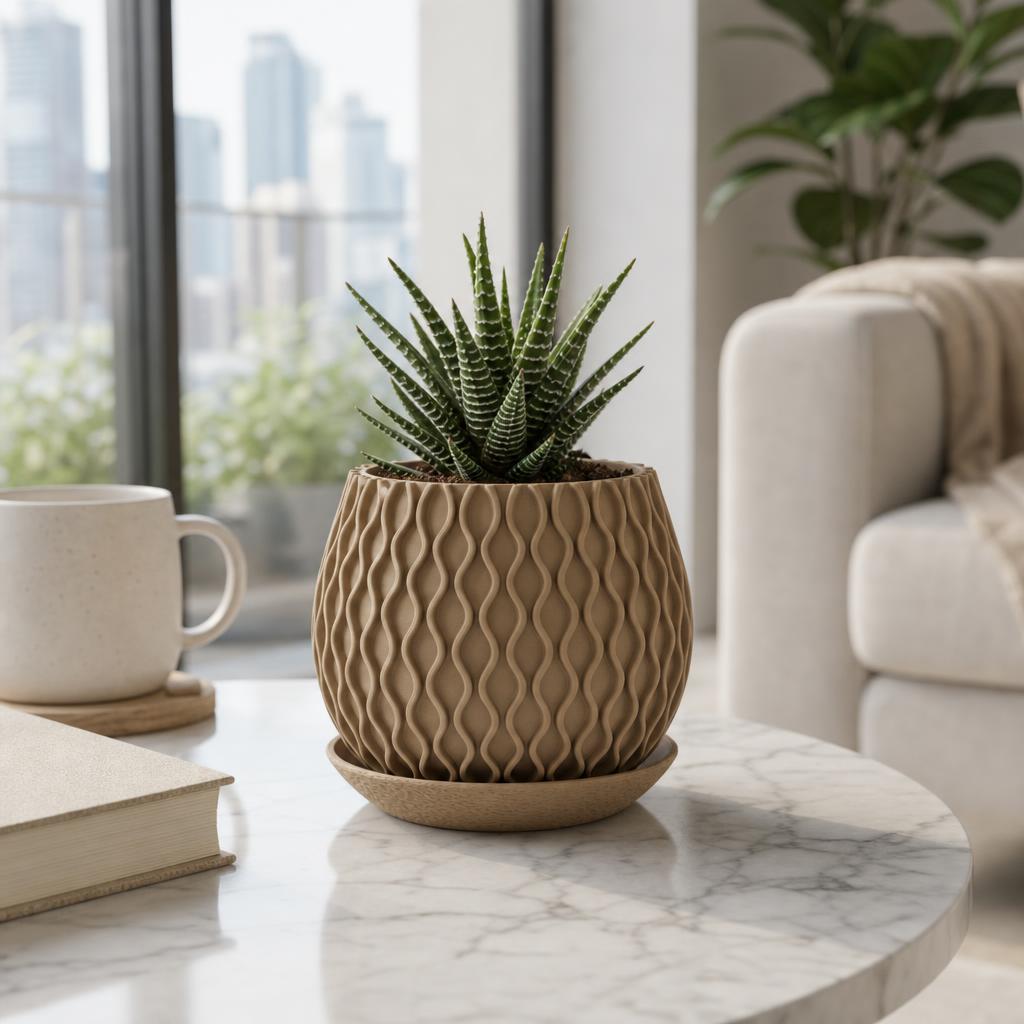
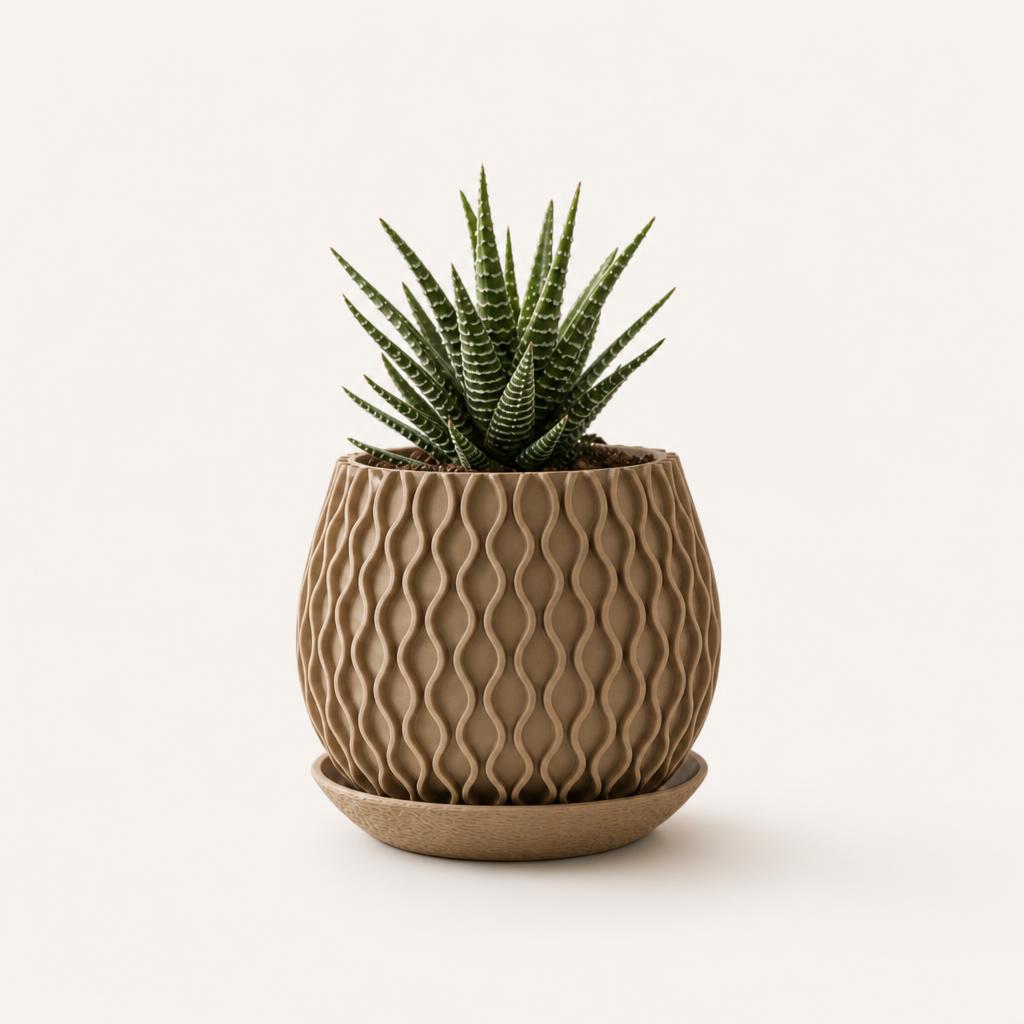
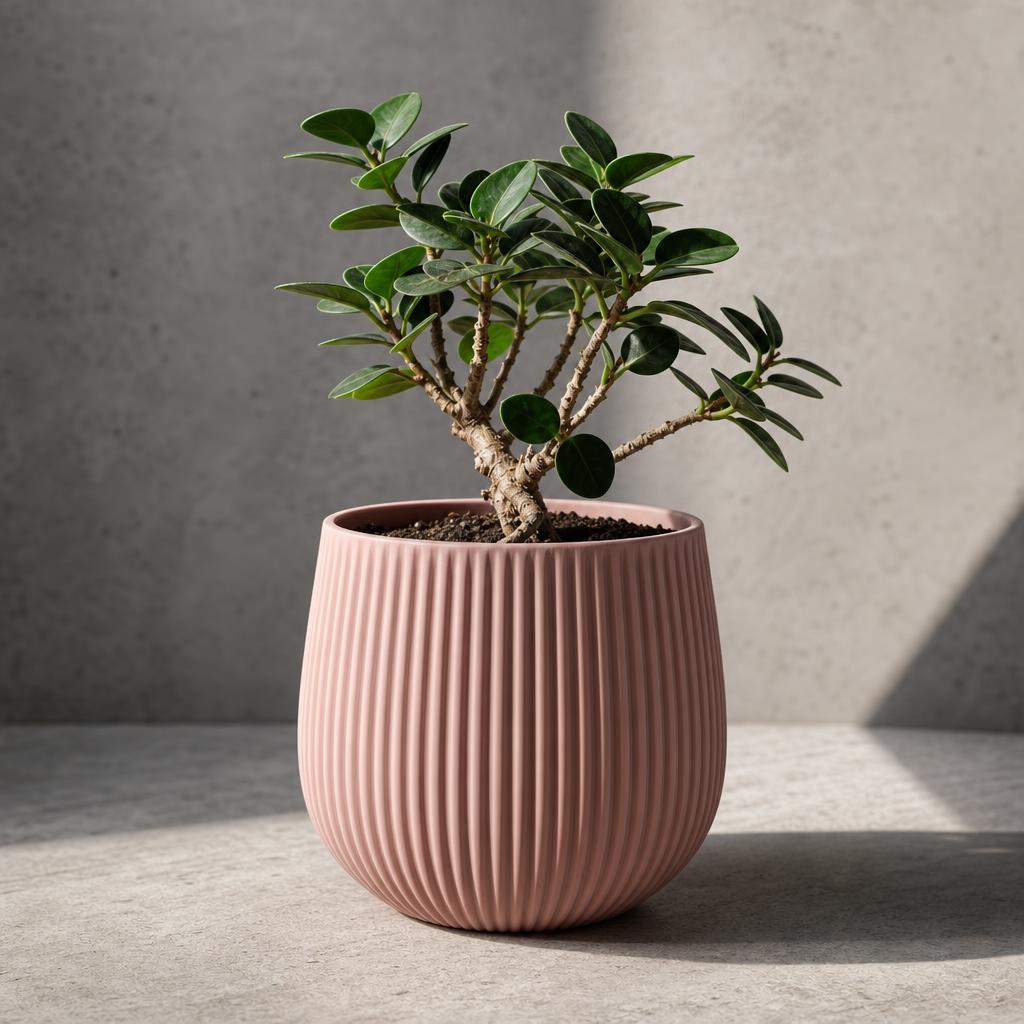
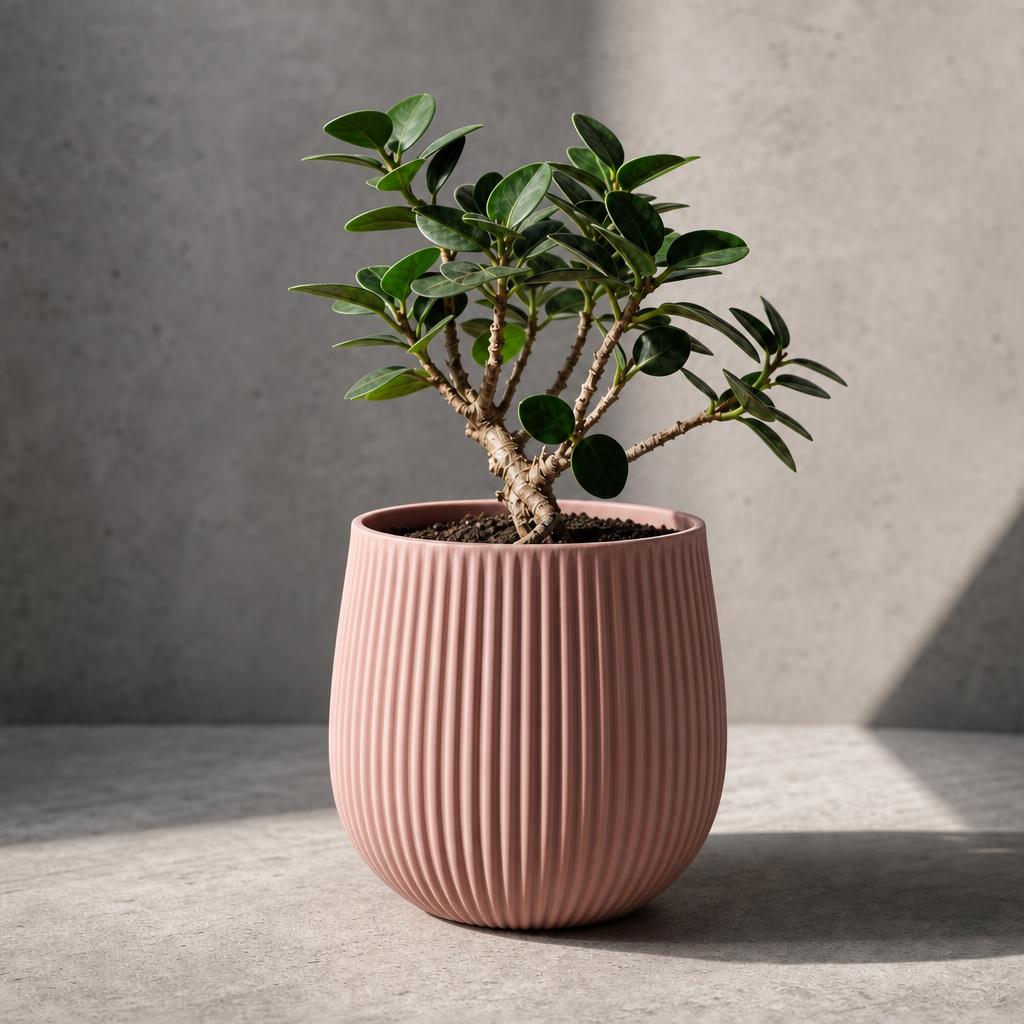
Every pot here drains and comes in Outdoors, made in our outdoor material for sun and weather: choose Outdoors when you order. Large (20 cm) suits most balcony plants.
Questions
Good to know.
Can I use your indoor pots on a balcony?
For a balcony in the sun, choose Outdoors when you order. It’s made in our outdoor material, which handles sun, heat and weather. Our indoor pots are made for indoor temperatures.
How often should I water balcony pots in summer?
Most need water every day in summer, and sometimes twice in a heatwave. Water in the morning. Succulents and rosemary can go a few days.
What are the best plants for a windy balcony?
Low, tough plants: rosemary, succulents, lavender and kangaroo paw. Group the pots together against a wall, and keep tall plants in wider pots.
Can I grow food on a balcony?
Yes: strawberries, chillies and herbs all grow well in our pots. Tomatoes, eggplants and other bigger vegies need a pot bigger than ours.
Are balcony plants safe for pets?
Strawberries, rosemary and echeveria are listed as non-toxic to cats and dogs by the ASPCA. Lavender and geraniums are toxic. See our pet-safe plants guide.
Can I put pots on the balcony railing?
Please don’t. A pot that falls from a balcony is dangerous, and many buildings don’t allow it. Keep them on the floor, against the wall.
Keep reading
More grow guides.
- Kitchen herbs
- Home office
- Office
- Pet-safe plants
- Bathroom
- Low light
- Gift ideas
- Pot sizes
- Which pot for your plant? (with the size guide)
Pet safety from the ASPCA plant list. Bunnings links open a search on bunnings.com.au; we’re not paid for them.