Grow guide · Pets
Plants that are safe for cats and dogs.
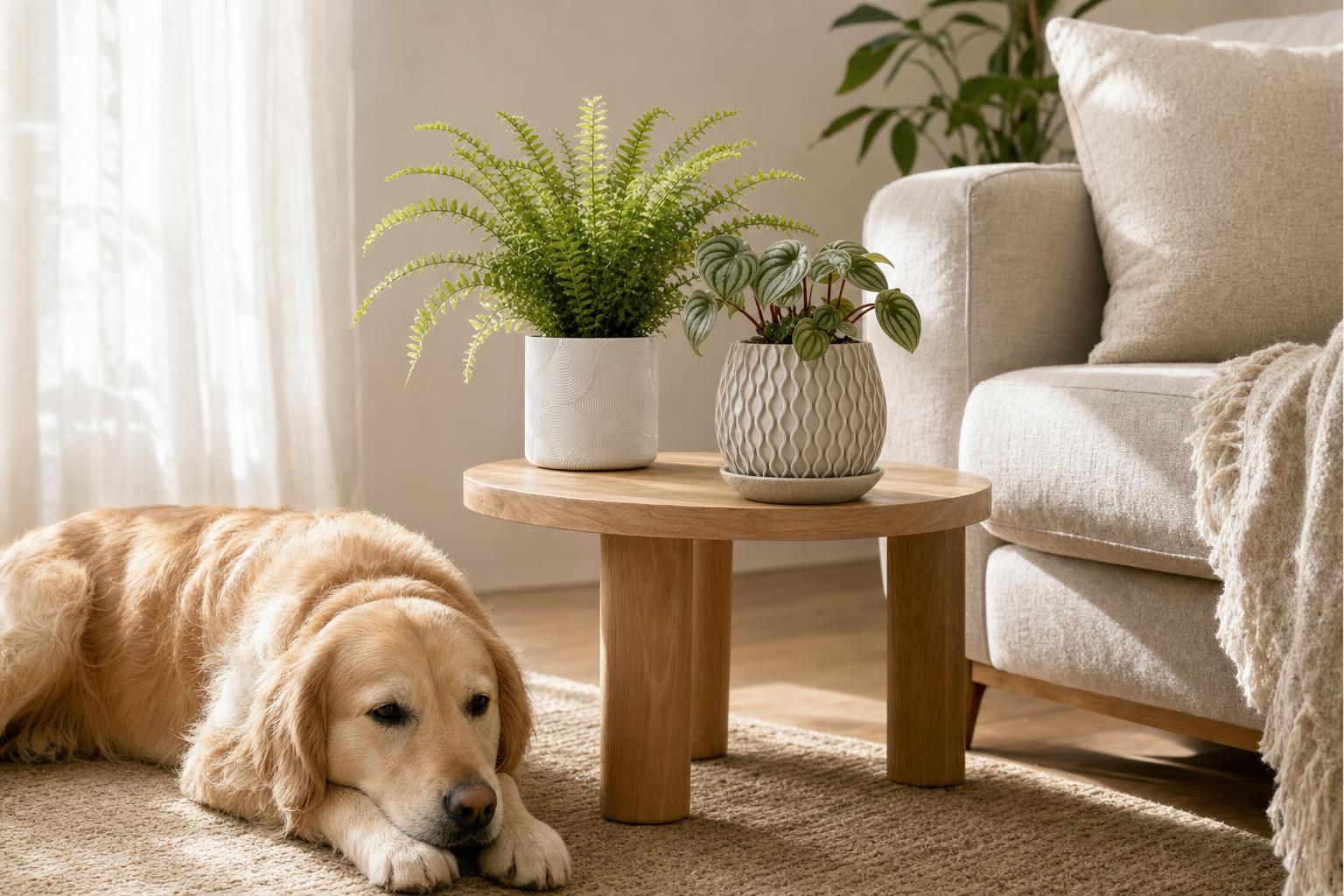
Cats chew, puppies dig, and plenty of popular houseplants are toxic to both. Every plant on this page is listed as non-toxic to cats and dogs by the ASPCA, so you can green up the house without worrying.
Updated

The short answer
- Safe for cats and dogs: spider plant, parlour palm, calathea, Boston fern, peperomia, hoya, African violet, polka dot plant and echeveria.
- Not safe: devil’s ivy (pothos), monstera, peace lily, snake plant, aloe, jade, dracaena and philodendron. We’d keep ZZ plants away from pets too.
- Lilies and cats never mix. True lilies cause kidney failure in cats, even from a small amount.
- “Non-toxic” means not poisonous, not a snack: a pet that eats a lot of any plant can still get an upset stomach.
Before you bring a plant home
Four things pet owners should know.
Choosing a safe plant is most of it. These keep the plant, and your pet, out of trouble.
Check the botanical name
Common names get mixed up: several different plants are sold as “money plant” or “palm”. Check the botanical name on the label against the ASPCA list.
Dogs dig, cats use it as a litter tray
Cover the soil with a layer of larger pebbles. It stops both, and keeps the soil from drying out as fast.
Cats climb
Even a safe plant gets knocked over. Choose a stable spot that isn’t a launch pad to the bench or windowsill.
Store the garden products
Some fertilisers, and especially snail and slug baits, are poisonous to pets. Keep them shut away.
If you think your pet has eaten a toxic plant, call your vet straight away, or the Animal Poisons Helpline on 1300 869 738. Take a photo of the plant, or its label, with you.
The plants
What to grow, and how.
At Bunnings, these are in the indoor plant section, mostly in 90 to 140 mm pots. Check the botanical name on the label before you buy. Stock varies from store to store.
Spider plant Easy
Chlorophytum comosum
- Part sun
- Pet safe
- Sun
- Bright, indirect light.
- Water
- Keep it lightly moist in summer, a little drier in winter.
- Through the year
- Grows quickly in the warm months and sends out baby plants.
- Good to know
- Cats love to chew the leaves. It’s safe, but a cat that eats a lot may vomit, so a pot of cat grass nearby helps.
- Pot
- Medium (15 cm).
Parlour palm Easy
Chamaedorea elegans
- Low light
- Pet safe
- Sun
- Low to medium, indirect light.
- Water
- Keep it lightly moist, and never let it stand in water.
- Through the year
- Slow growing, so it stays a manageable size for years.
- Good to know
- The pet-safe swap for a bigger leafy plant. Brown tips mean dry air: keep it away from heaters.
- Pot
- Medium (15 cm) or Large (20 cm).
Calathea (prayer plant)
Goeppertia, formerly Calathea
- Part sun
- Pet safe
- Sun
- Medium, indirect light. Direct sun scorches the leaves.
- Water
- Keep the soil evenly moist, never soggy. Rainwater or filtered water keeps the leaf tips from browning.
- Through the year
- Grows in the warm months. The leaves fold up at night.
- Good to know
- Loves humidity, so a bathroom or kitchen with a window suits it. The patterned leaves are the safe answer to a monstera.
- Pot
- Medium (15 cm).
Calathea (prayer plant) at Bunnings (opens Bunnings in a new tab)
Boston fern
Nephrolepis exaltata
- Part sun
- Pet safe
- Sun
- Bright, indirect light.
- Water
- Keep the soil moist, and mist it in dry weather.
- Through the year
- Grows in spring and summer. It may drop fronds in a dry winter.
- Good to know
- Safe, but cats love batting the fronds: a high shelf keeps it looking good.
- Pot
- Medium (15 cm) or Large (20 cm).
Peperomia Easy
Peperomia (watermelon, baby rubber plant and others)
- Part sun
- Pet safe
- Sun
- Medium to bright, indirect light.
- Water
- Let the top half of the soil dry out. Its thick leaves hold water.
- Through the year
- Grows in spring and summer. Water less in winter.
- Good to know
- Small, tidy and in loads of leaf patterns: easy to fit on a shelf out of reach.
- Pot
- Small (10 cm).
Hoya
Hoya carnosa and others
- Part sun
- Pet safe
- Sun
- Bright, indirect light, and a little morning sun.
- Water
- Let it dry out between drinks.
- Through the year
- Grows in spring and summer, and may flower in late spring.
- Good to know
- A trailer that looks lovely hanging from a high shelf, well out of reach.
- Pot
- Small (10 cm) or Medium (15 cm).
African violet
Saintpaulia
- Part sun
- Pet safe
- Sun
- Bright, indirect light. An east-facing window is ideal.
- Water
- From below: stand the pot in water for 20 minutes, then let it drain. Water on the leaves leaves spots.
- Through the year
- Flowers on and off all year with enough light.
- Good to know
- Flowers best a little snug, so keep it in a small pot.
- Pot
- Small (10 cm).
Polka dot plant Easy
Hypoestes phyllostachya
- Part sun
- Pet safe
- Sun
- Bright, indirect light keeps the colours strong.
- Water
- Keep it lightly moist. It flops when dry and recovers after a drink.
- Through the year
- Grows fast in summer and can get leggy.
- Good to know
- Pinch out the tips to keep it bushy. Pink, red and white spotted leaves.
- Pot
- Small (10 cm).
Echeveria Easy
Echeveria
- Full sun
- Pet safe
- Sun
- Lots of light: a sunny windowsill.
- Water
- Water well, then let the soil dry right out. Much less in winter.
- Through the year
- Grows in spring and autumn.
- Good to know
- Not every succulent is safe: echeveria and haworthia are, but jade and aloe are toxic. Use cactus and succulent mix.
- Pot
- Small (10 cm).
Your shopping list
What you’ll need.
Your plants
Check the botanical name on the label against this page or the ASPCA list before you buy.
Indoor potting mix
A mix made for indoor plants drains well. Garden soil packs down hard in a pot and brings in bugs.
Pebbles for the top
A layer of larger pebbles over the soil stops dogs digging and cats using the pot as a litter tray.
Cat grass (for cats)
Give your cat something it’s allowed to chew, and it leaves the other plants alone.
Indoor plant food
Every 2 to 4 weeks in spring and summer, at half strength. Store it where pets can’t reach.
A pot with drainage
Roots rot in a pot that holds water. Every pot below lets water out.
Through the year
Care through the year.
Indoor plants still follow the seasons: they grow in the warm months and rest in winter.
| Task | SpringSep–Nov | SummerDec–Feb | AutumnMar–May | WinterJun–Aug |
|---|---|---|---|---|
| Water | More often as it warms up | Most often: check every week | Less often | Least: most plants every few weeks |
| Feed | Start again | Every 2 to 4 weeks | Stop by late autumn | None |
| Repot | The best time | Fine | If you must | Leave it |
| Light | Move closer to the window | Pull back from hot glass | Move closer again | Your brightest spot |
When things go wrong
Common problems.
My cat keeps chewing the spider plant.
It’s safe, but a lot of it can make a cat vomit. Give your cat a pot of cat grass of its own, and move the spider plant up high.
My dog digs in the pots.
Cover the soil with a layer of larger pebbles, and move the pot off the floor if you can.
My cat uses the pot as a litter tray.
Pebbles over the soil stop it. Make sure the litter tray is clean and easy to get to, too.
The plants keep getting knocked over.
Choose a stable spot away from the routes cats use to jump up, and a wider pot rather than a tall one.
My pet ate a plant that isn’t on this list.
Call your vet, or the Animal Poisons Helpline on 1300 869 738. Take a photo of the plant or its label so they know exactly what it was.
Pots that suit
Our pots for pet-safe plants.
Every pot here drains. Pots marked Drip tray keep water off the floor, where pets drink from saucers.
-
Indoors & outdoors
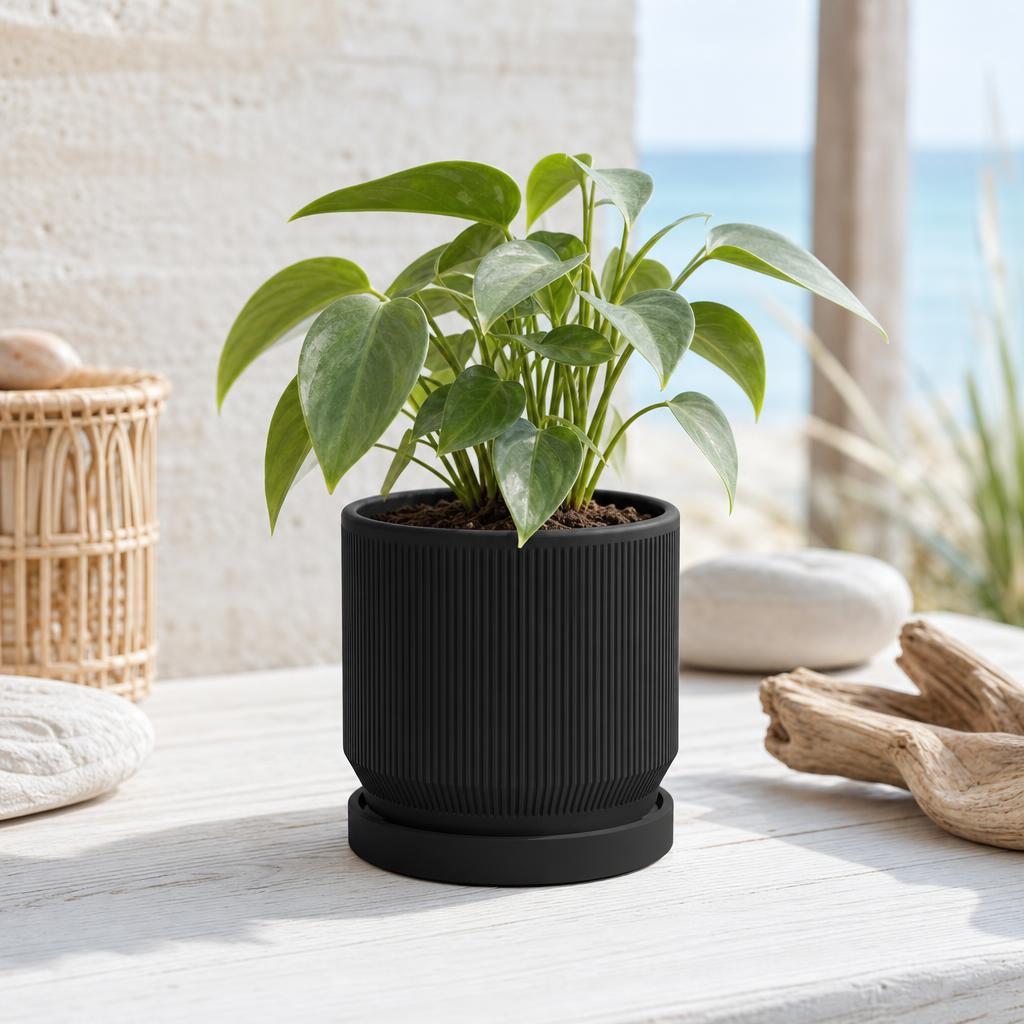
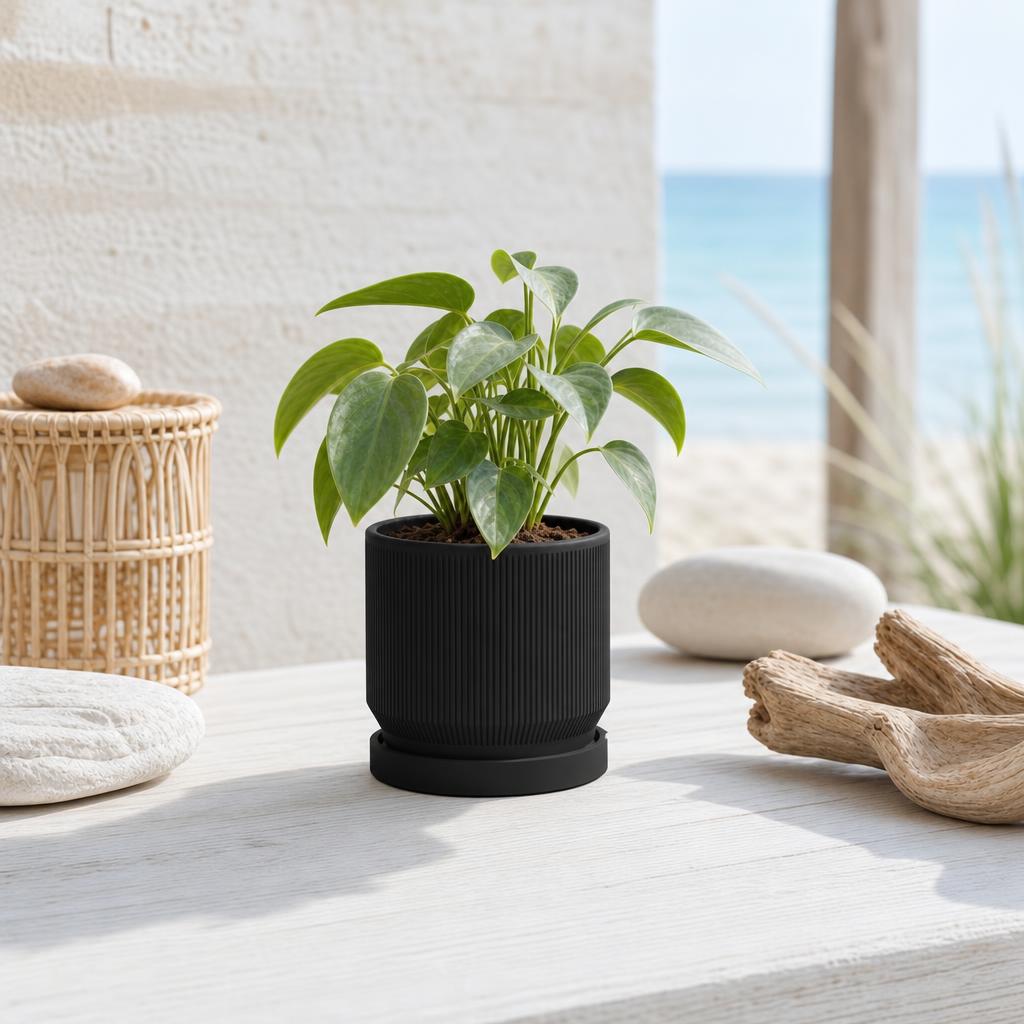
Mid Century Modern Ribbed Planter with Tray
+5Drip tray
-
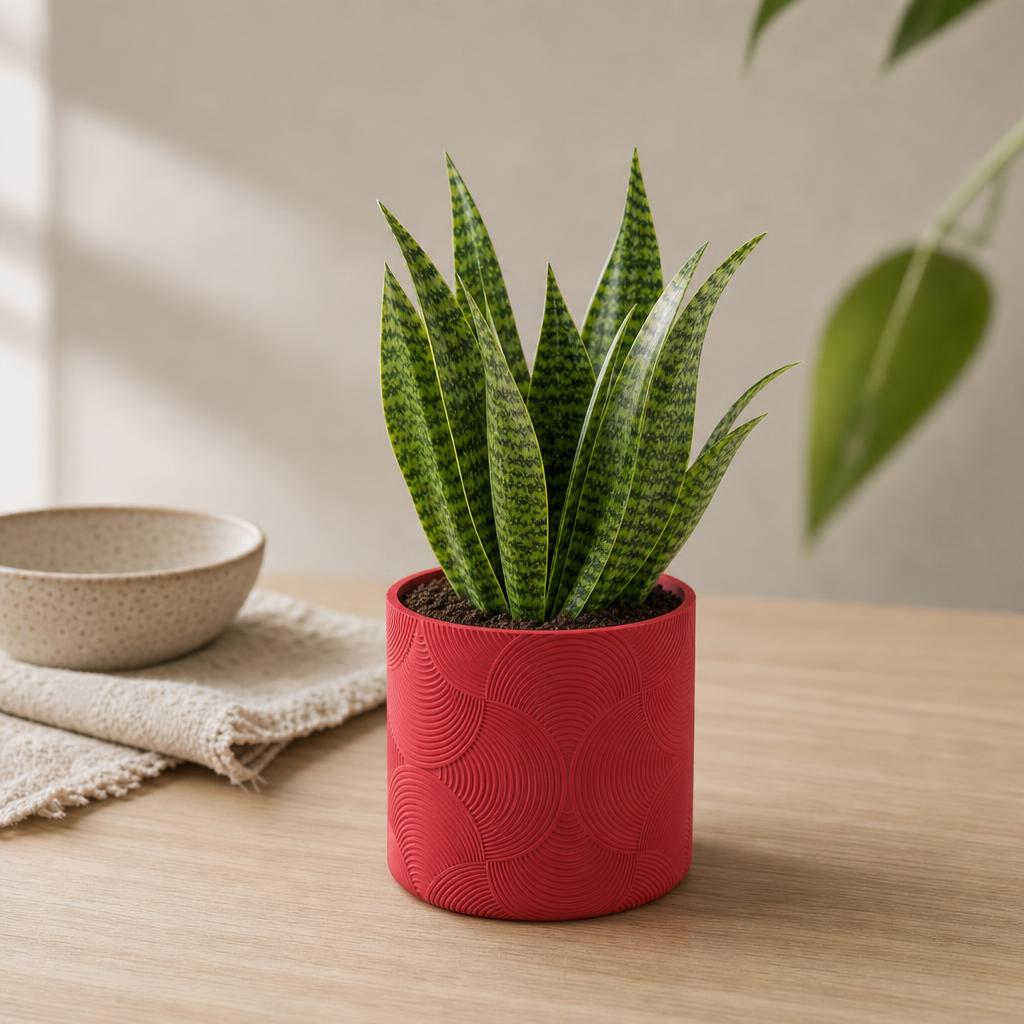
Indoors & outdoors
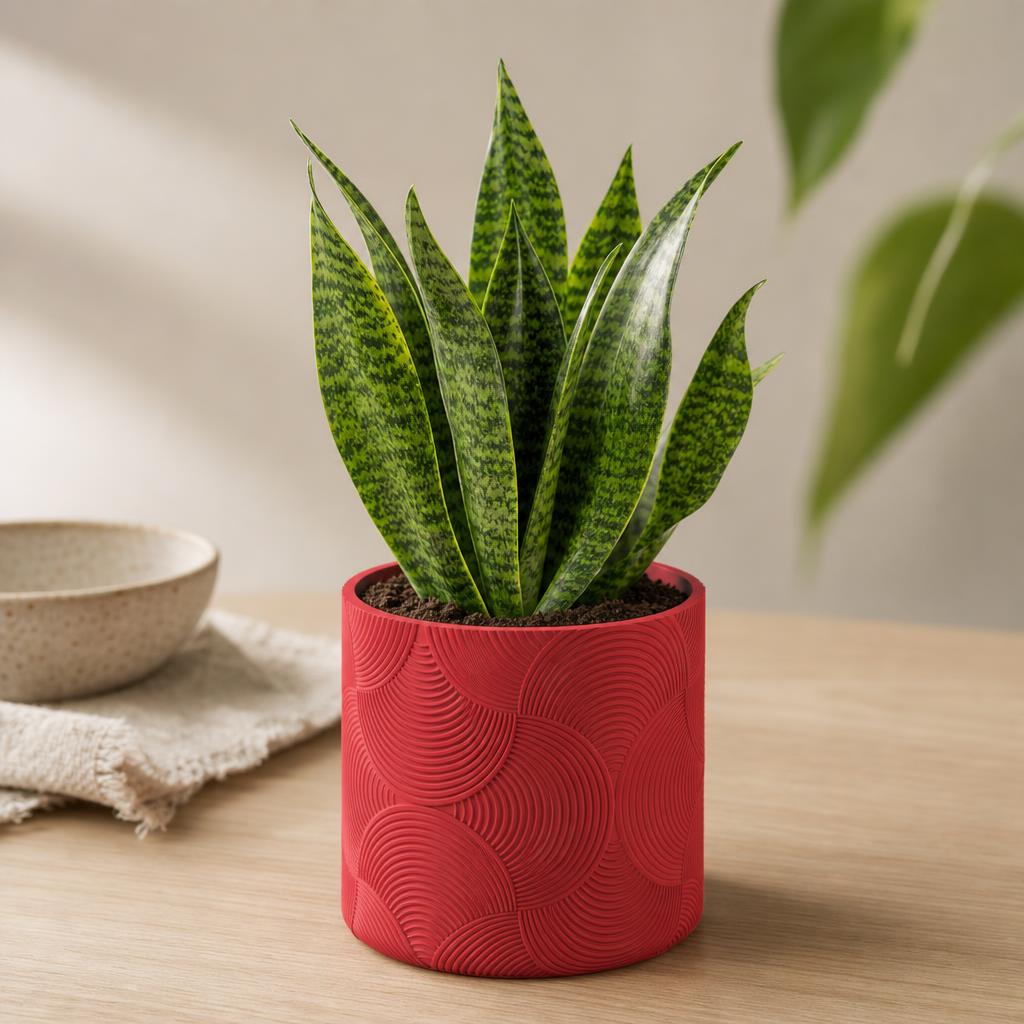
Boho Desktop Plant Pot with Hidden Drip Tray
+8Drip tray
-
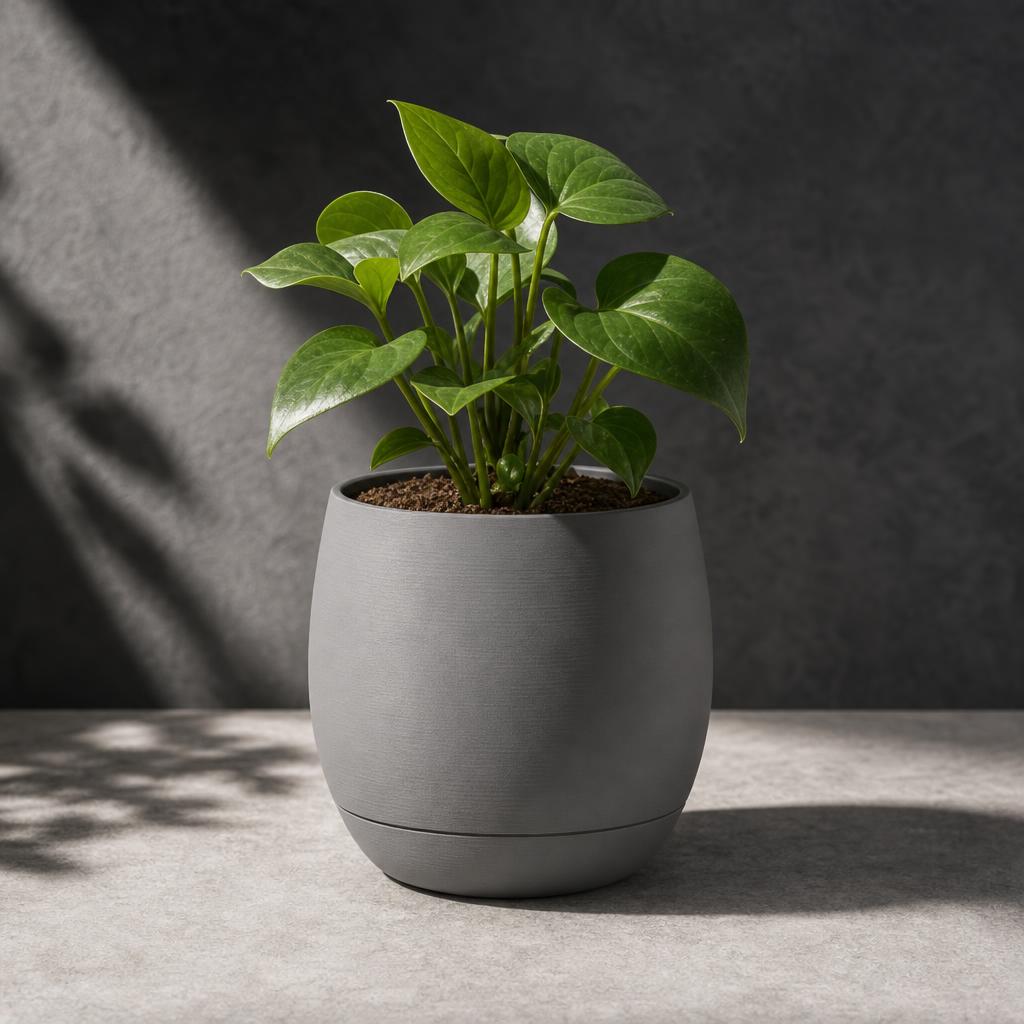
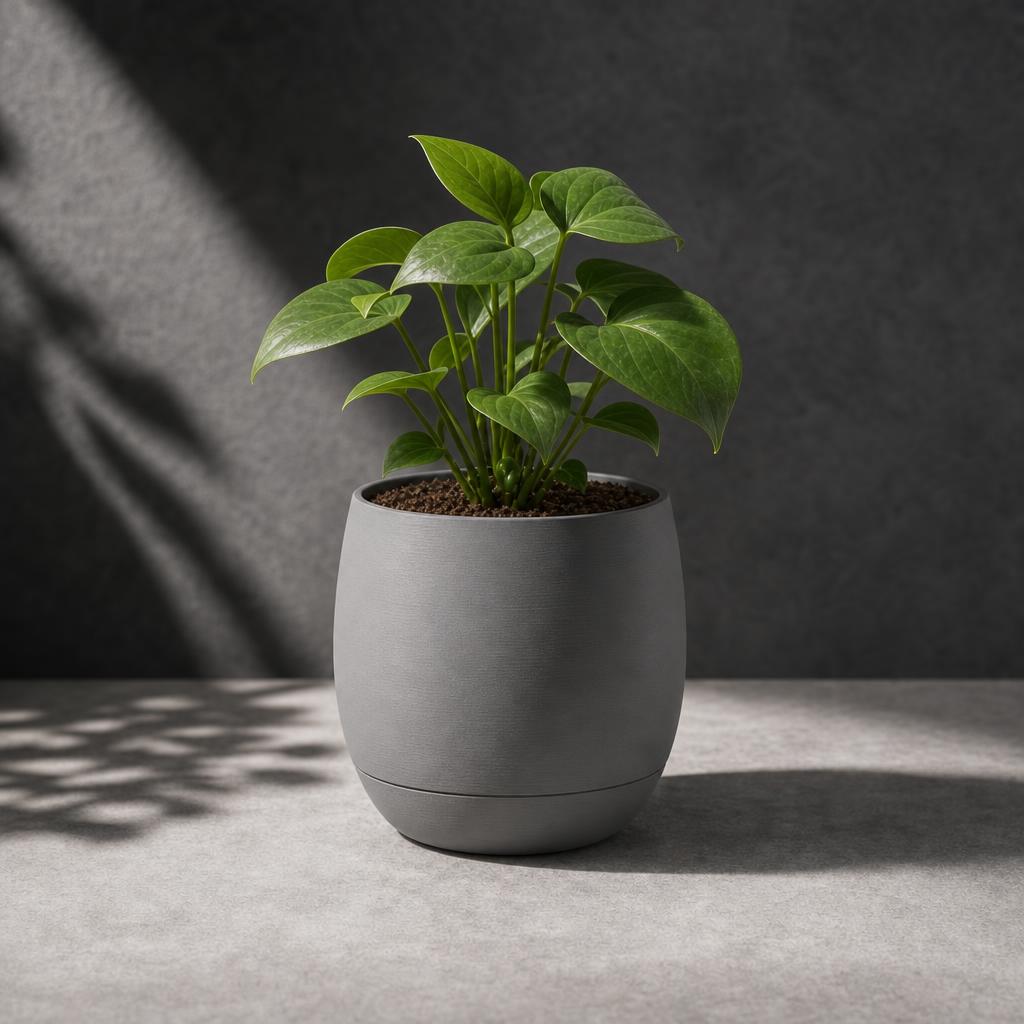
Indoors & outdoors
Aurex Indoor Plant Pot with Drip tray
+7Drip tray
-
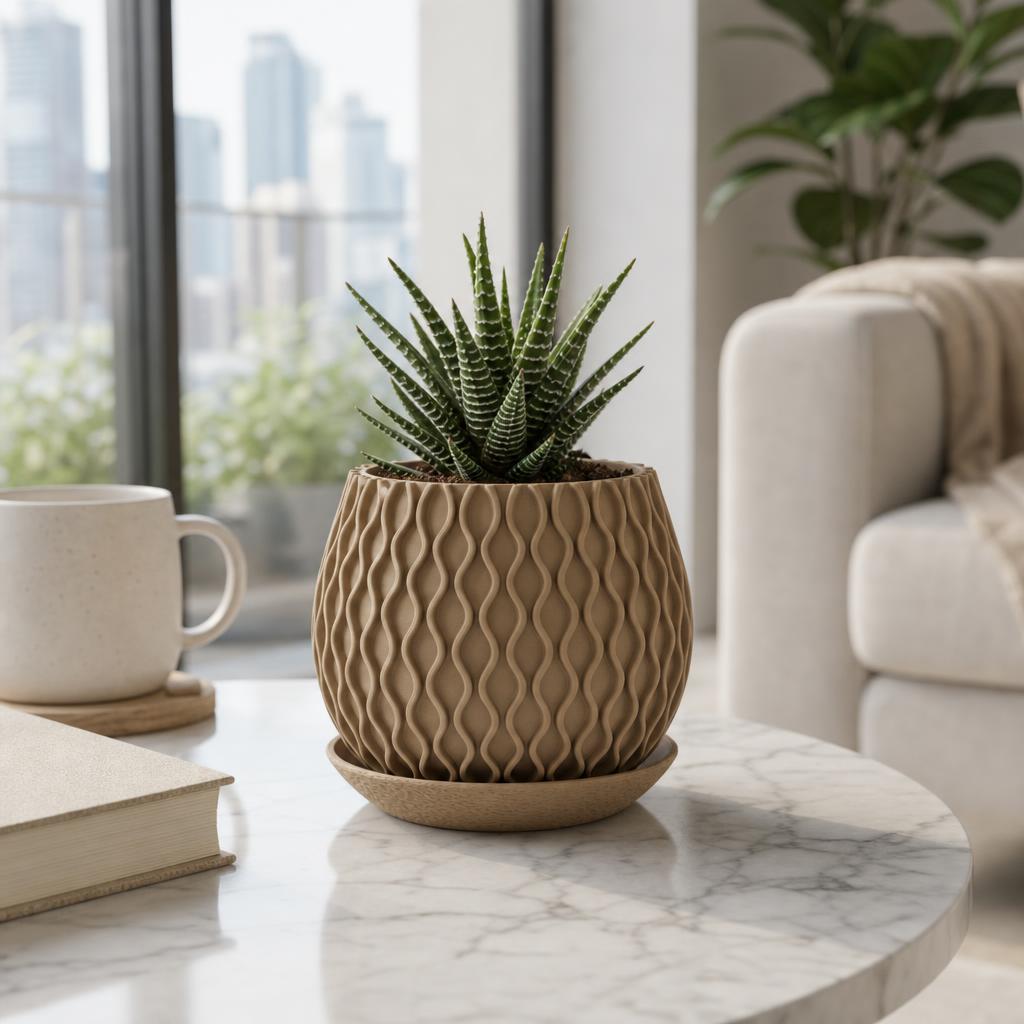
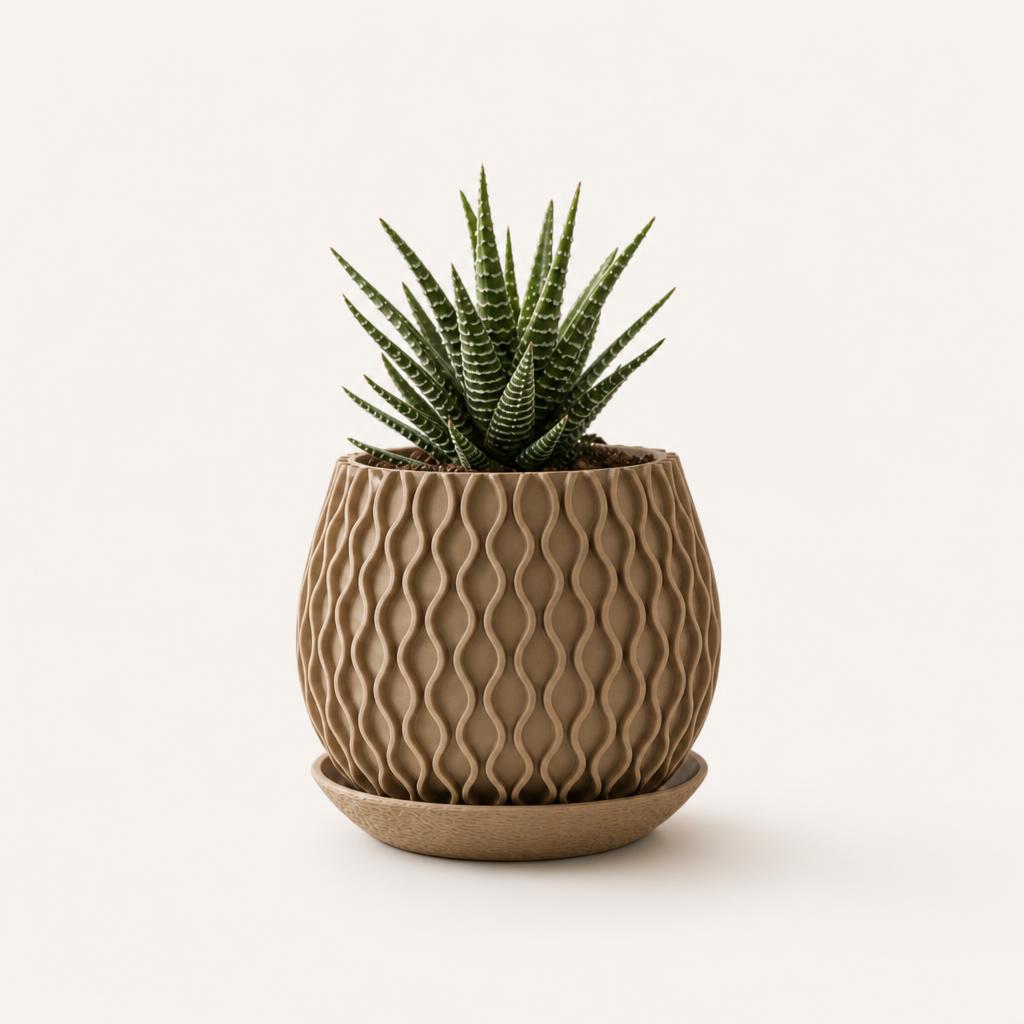
Indoors & outdoors
Hertz Decorative Wave Plant Pot with Drip Base
+8Drip tray
-
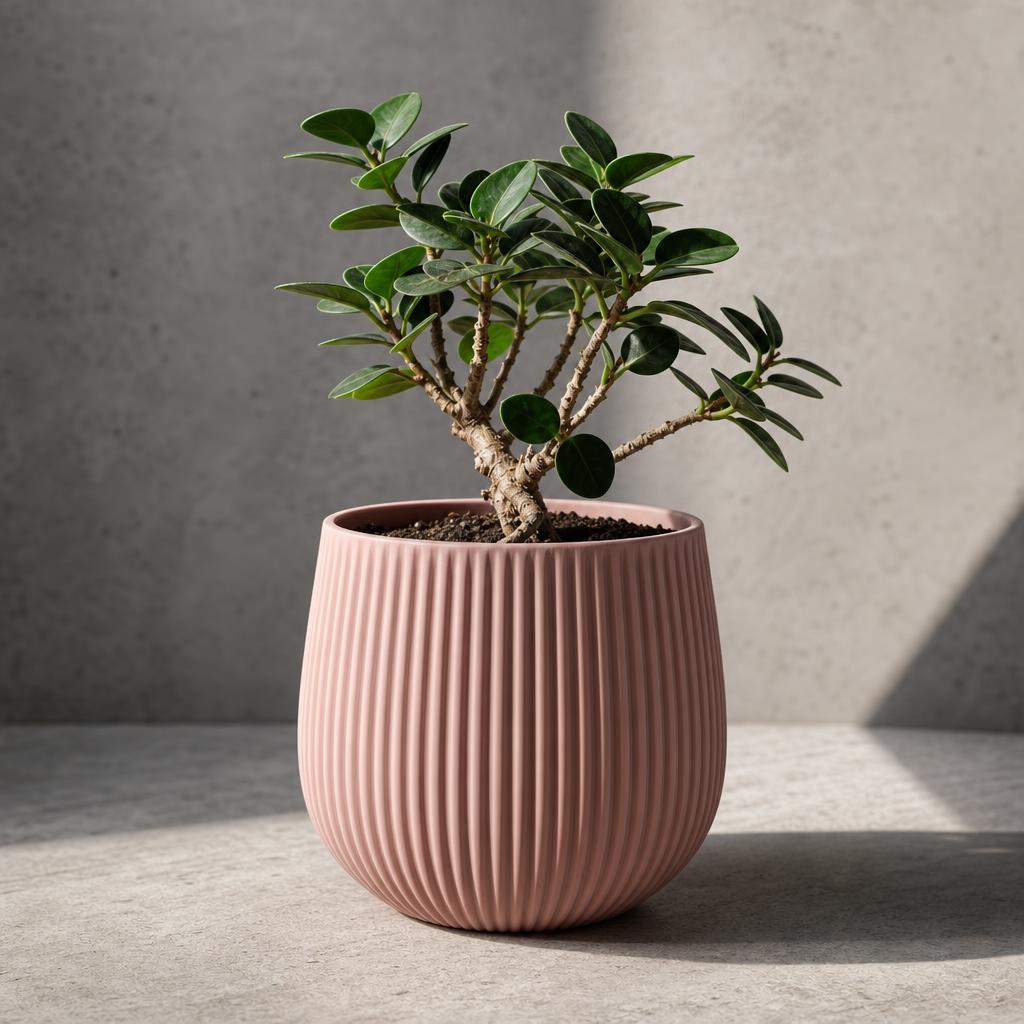
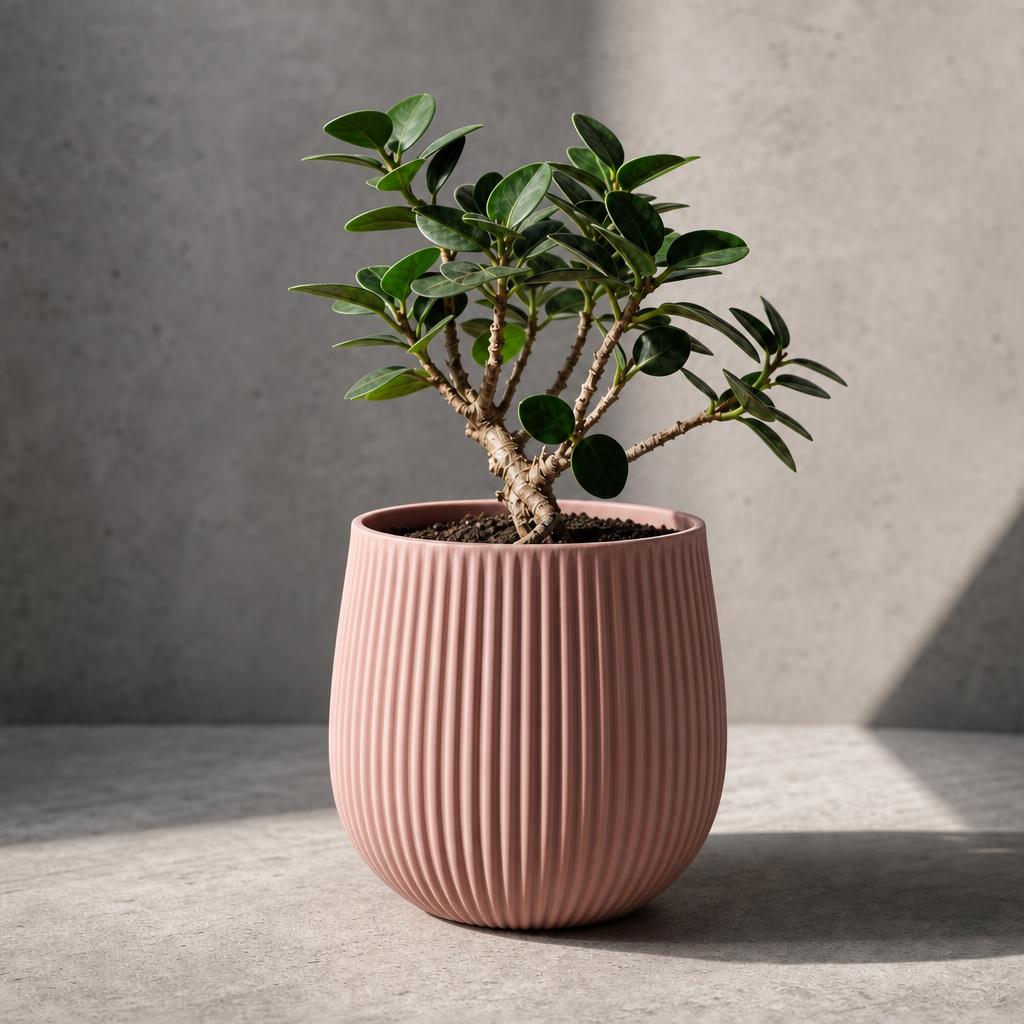
Indoors & outdoors
Modern Ribbed Plant Pot
+8Drainage holes
Questions
Good to know.
Which common houseplants are toxic to cats and dogs?
Devil’s ivy (pothos), monstera, peace lily, snake plant, aloe, jade, dracaena, philodendron and Chinese evergreen are all listed as toxic to cats and dogs by the ASPCA. True lilies are toxic to cats.
Is a spider plant safe for cats?
Yes. The ASPCA lists it as non-toxic to cats and dogs. Cats often love chewing it; a lot of it can make them vomit, so keep it out of reach if yours overdoes it.
Are succulents safe for pets?
Some are. Echeveria and haworthia are listed as non-toxic; jade and aloe are toxic. Check each one by its botanical name.
Are lilies dangerous for dogs too?
True lilies (Lilium) are listed as non-toxic to dogs, but they’re deadly to cats. Peace lilies aren’t true lilies, and they’re toxic to both cats and dogs.
Does “non-toxic” mean my pet can eat it?
No. It means it isn’t poisonous. Eating a lot of any plant can still upset a pet’s stomach, and pots and pebbles can be a choking hazard.
Where does this information come from?
The pet safety on this page is from the ASPCA’s list of toxic and non-toxic plants. If your pet is unwell after eating a plant, call your vet or the Animal Poisons Helpline (1300 869 738).
Keep reading
More grow guides.
- Kitchen herbs
- Home office
- Office
- Balcony
- Bathroom
- Low light
- Gift ideas
- Pot sizes
- Which pot for your plant? (with the size guide)
Pet safety from the ASPCA plant list. Bunnings links open a search on bunnings.com.au; we’re not paid for them.