Grow guide · Kitchen
Herbs for the kitchen windowsill.
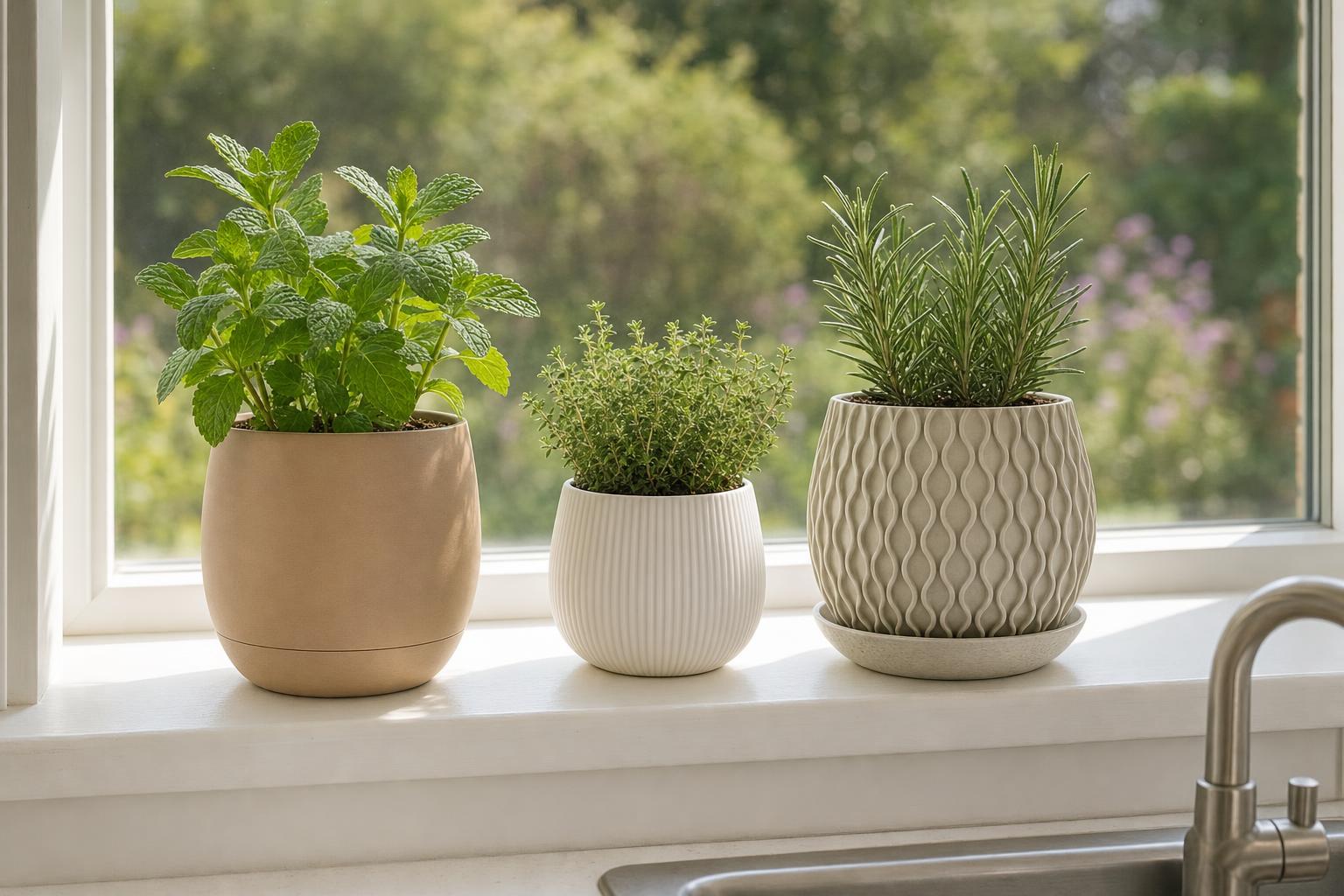
Fresh basil for the pasta, a handful of parsley, chives snipped straight onto your eggs. Here’s which herbs will actually grow in your kitchen, how much sun they need, and how to keep them going.
Updated

The short answer
- The five easiest: basil (in the warm months), parsley, chives, mint and thyme.
- Most herbs want 4 to 6 hours of sun a day. In Australia, a north-facing window gets the most.
- Use a pot with drainage, about 15 cm across for one herb, and potting mix made for herbs (not garden soil).
- Water when the top 2 cm of soil is dry, and empty the drip tray so the roots never sit in water.
Start with the light
Which way does your window face?
Before you buy anything, stand in your kitchen and work out which way your window faces. Herbs grown for their leaves need light more than anything else, and in the southern hemisphere the sun sits to the north.
North-facing
The best spot. Sun for most of the day, all year round. Basil, thyme and rosemary love it.
East-facing
Gentle morning sun, then bright light. Good for parsley, chives, mint and coriander.
West-facing
Strong afternoon sun that gets hot in summer. Good light, but pull pots back from the glass on hot days.
South-facing
Little direct sun. Herbs grow slowly and go leggy here. Mint copes best, or add a small grow light.
Our indoor pots are made for indoor temperatures. If your sill bakes in hot afternoon sun behind glass in summer, choose Outdoors when you order: it’s made in our outdoor material, which handles sun and heat. Lighter colours stay cooler too.
The plants
What to grow, and how.
At Bunnings, herbs are usually sold in punnets and in 95 mm and 125 mm pots, in the garden centre. Stock changes with the season and from store to store, so check your local store.
Basil Easy
Ocimum basilicum
- Full sun
- Pet safe
- Sun
- 6 hours or more. Your sunniest window.
- Water
- Keep the soil lightly moist. Water the soil, not the leaves, when the top 2 cm feels dry: often daily in summer.
- When to plant
- Plant from spring to late summer. It hates the cold and usually dies off in winter, except in the tropics.
- Good to know
- Pick from the top, just above a pair of leaves, and it branches out. Pinch off flower buds or it stops making leaves.
- Pot
- Medium (15 cm) for one plant.
Parsley Easy
Petroselinum crispum (curly and flat-leaf)
- Part sun
- Not pet safe
- Sun
- 4 to 6 hours. Morning sun is ideal.
- Water
- Keep the soil evenly moist. It wilts when it’s thirsty and perks up after a drink.
- When to plant
- Plant any time outside the hottest months; spring and autumn are best. It lives about two years, then flowers and turns bitter, so start a new one.
- Good to know
- Pick the outside stems from the base and leave the centre to keep growing.
- Pot
- Medium (15 cm), or Large (20 cm) if you use a lot. It has a long root, so deeper is better.
- Pets
- Toxic to cats and dogs in large amounts.
Chives Easy
Allium schoenoprasum
- Part sun
- Not pet safe
- Sun
- 4 to 6 hours.
- Water
- Keep the soil moist but never soggy.
- When to plant
- Plant in spring or autumn. In cold areas it dies back in winter and comes back in spring.
- Good to know
- Cut a handful down to about 3 cm and it regrows in a few weeks. The purple flowers are edible.
- Pot
- Medium (15 cm).
- Pets
- Toxic to cats and dogs. Skip it if your pets nibble plants.
Mint Easy
Mentha (spearmint, peppermint and others)
- Part sun
- Not pet safe
- Sun
- 3 to 4 hours. Copes with less light than most herbs.
- Water
- Keep it moist. Mint wilts fast when it dries out, especially in a small pot.
- When to plant
- Plant from spring to autumn. It slows down or dies back in winter and regrows when it warms up.
- Good to know
- Give it a pot of its own: it spreads by runners and crowds out anything it shares with.
- Pot
- Medium (15 cm) or Large (20 cm).
- Pets
- Toxic to cats and dogs in large amounts.
Thyme Easy
Thymus vulgaris
- Full sun
- Pet safe
- Sun
- 6 hours or more.
- Water
- Let the top of the soil dry out between drinks. Too much water kills it faster than too little.
- When to plant
- Plant in spring or autumn. It lives for years.
- Good to know
- Use a free-draining mix (add a handful of cactus mix or grit) and trim it after it flowers to keep it bushy.
- Pot
- Medium (15 cm).
Rosemary
Salvia rosmarinus
- Full sun
- Pet safe
- Sun
- 6 hours or more. It’s happiest outdoors.
- Water
- Let the soil dry out between drinks. It’s drought hardy and hates wet feet.
- When to plant
- Plant any time outside the height of summer. It lives for years and grows into a shrub.
- Good to know
- Indoors it often struggles for light. Grow it on a sunny balcony or outside the kitchen door, in an Outdoors pot.
- Pot
- Large (20 cm), and choose Outdoors.
Coriander
Coriandrum sativum
- Part sun
- Pet safe
- Sun
- 4 to 6 hours, out of hot afternoon sun.
- Water
- Keep the soil moist. Drying out makes it go to seed sooner.
- When to plant
- Grow it in the cool months: autumn and winter in most of Australia, the dry season in the tropics. In warm weather it quickly goes to seed (bolts).
- Good to know
- It doesn’t like being moved, so sow seed straight into the pot, and sow a little more every 3 to 4 weeks for a steady supply.
- Pot
- Medium (15 cm) or Large (20 cm).
Your shopping list
What you’ll need.
Your herbs
A seedling or two of each. Supermarket basil is often several seedlings crammed in one pot: split them into two or three pots and they’ll last much longer.
Potting mix for herbs and vegies
Not garden soil, which packs down hard in a pot. A herb and vegie mix holds moisture and feeds for the first few months.
Liquid plant food
Every two weeks in spring and summer, once the plants are growing well. Picking leaves takes a lot out of them.
A saucer, if your pot has none
Pots marked Drip tray below don’t need one. Pots marked Drainage holes drain through the base, so stand them on a saucer.
A pot with drainage
Herbs rot in a pot that holds water. Every pot below lets water out.
Through the year
When to plant and pick.
For temperate and subtropical Australia. In the tropics, basil grows all year, and parsley and coriander do best in the dry season.
| Herb | SpringSep–Nov | SummerDec–Feb | AutumnMar–May | WinterJun–Aug |
|---|---|---|---|---|
| Basil | Plant | Pick | Pick, then it slows | Dies off |
| Parsley | Plant · pick | Pick, shade it from hot sun | Plant · pick | Pick |
| Chives | Plant · pick | Pick | Plant · pick | Rests in cold areas |
| Mint | Plant · pick | Pick, keep it watered | Pick | Rests |
| Thyme | Plant · pick | Pick | Plant · pick | Pick lightly |
| Rosemary | Plant · pick | Pick | Plant · pick | Pick |
| Coriander | Sow early | Goes to seed | Sow | Sow · pick |
When things go wrong
Common problems.
The bottom leaves are turning yellow.
Usually too much water. Let the top 2 cm of soil dry before watering again, and tip out the drip tray after watering so the pot isn’t standing in water.
It’s tall, pale and leaning towards the window.
Not enough light. Move it to a sunnier window (north-facing is best), and turn the pot a quarter every week so it grows evenly.
My basil is flowering, or my coriander has gone to seed.
Heat and age. Pinch off basil flowers as soon as you see them. Coriander bolts in warm weather, so sow it in autumn and winter, and sow more every few weeks.
It wilts every afternoon in summer.
Small pots dry out fast in the heat. Water in the morning, pull the pot back from hot glass, or move up to a bigger pot, which holds more water.
There are tiny flies around the soil.
Fungus gnats. They breed in soil that stays wet. Let the top of the soil dry out between drinks and they die off.
The mint has taken over.
It always will. Keep it in its own pot, and cut it back hard whenever it gets leggy.
Pots that suit
Our pots for kitchen herbs.
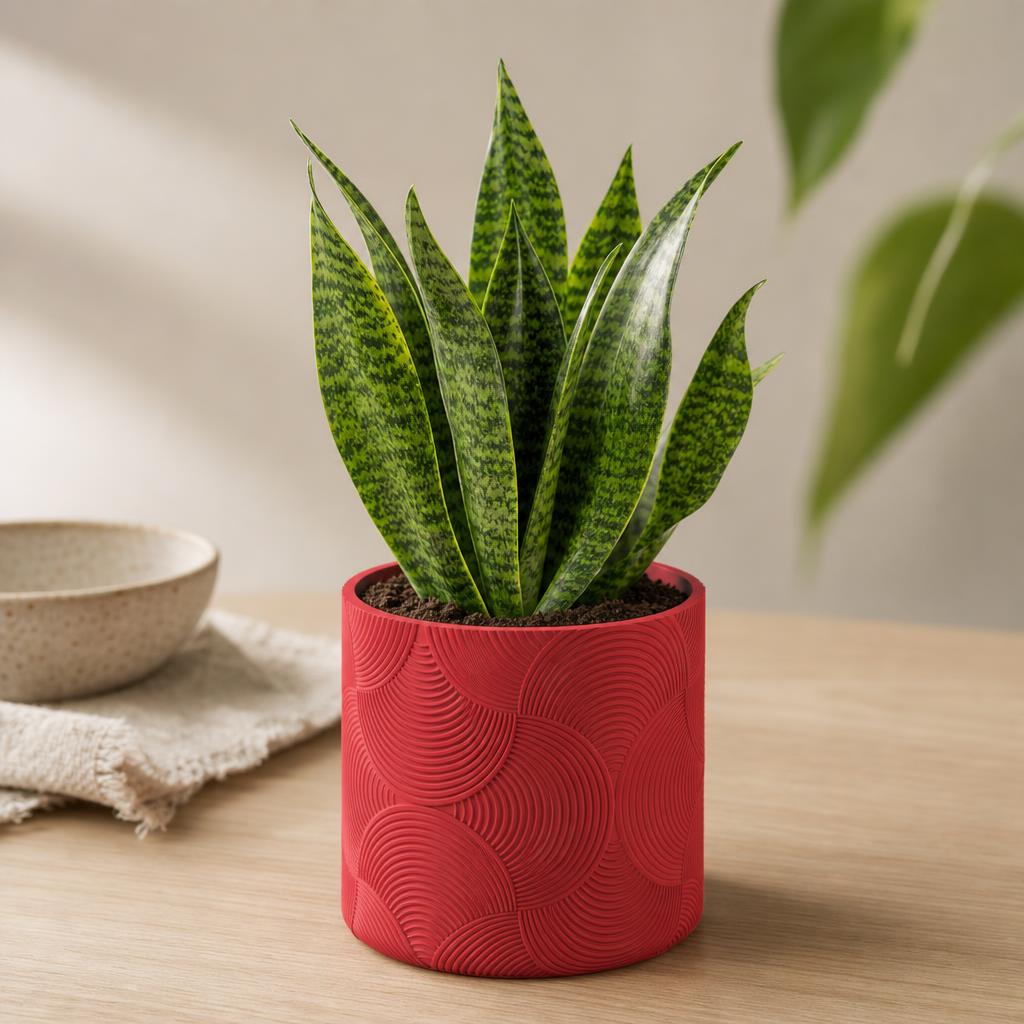
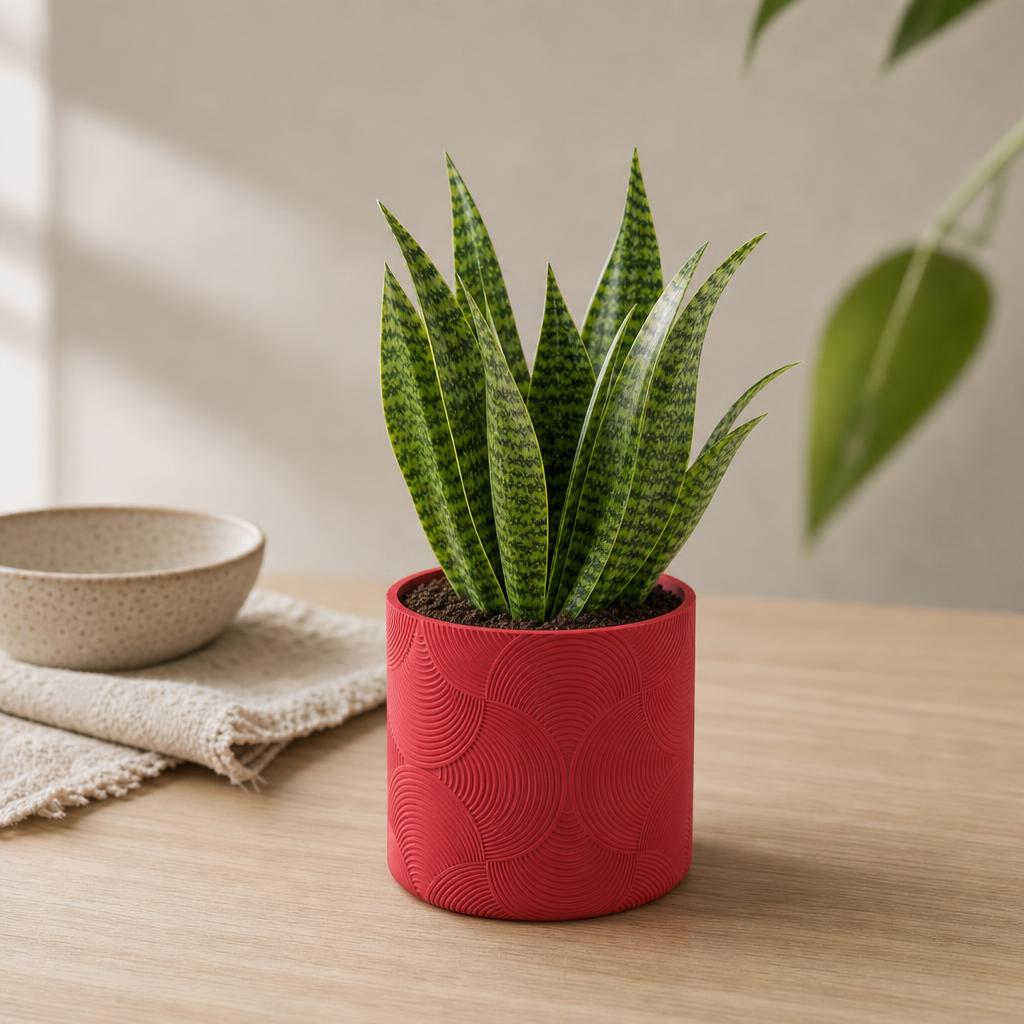
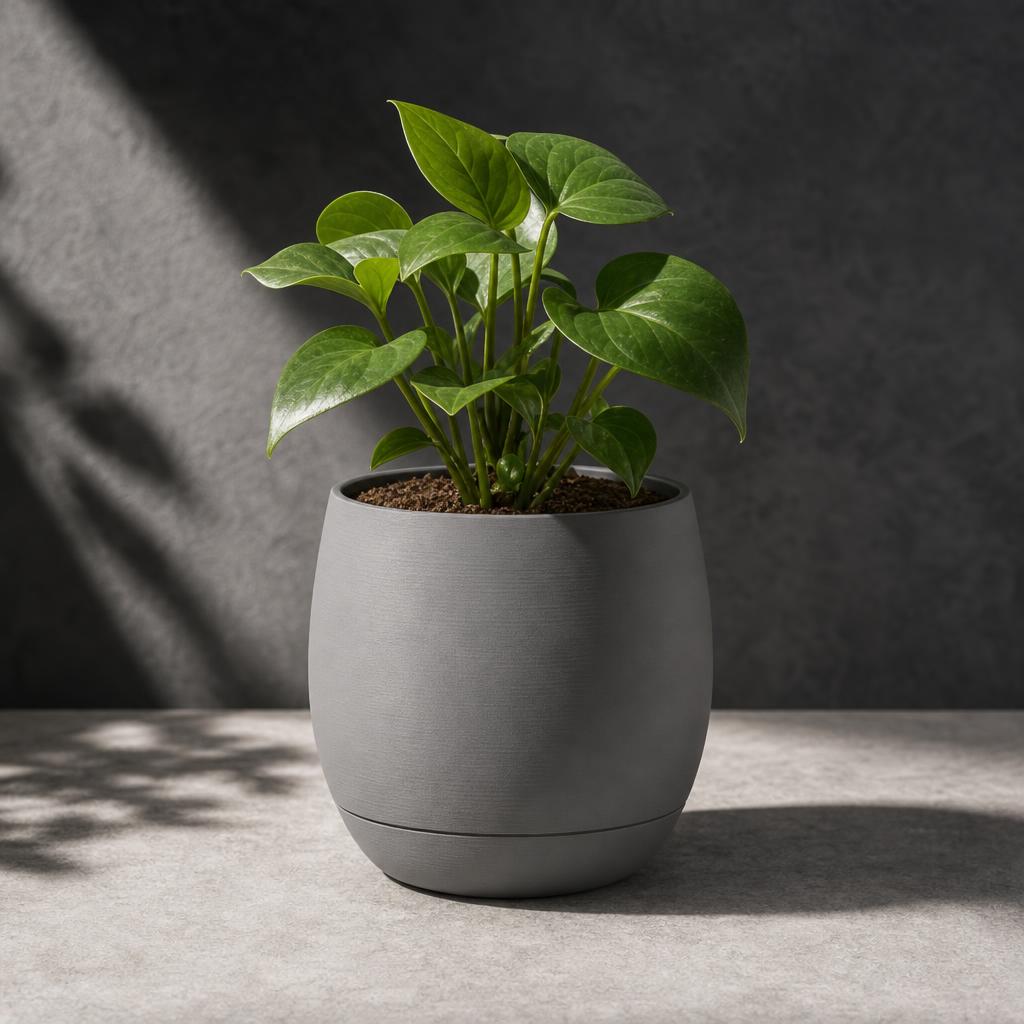
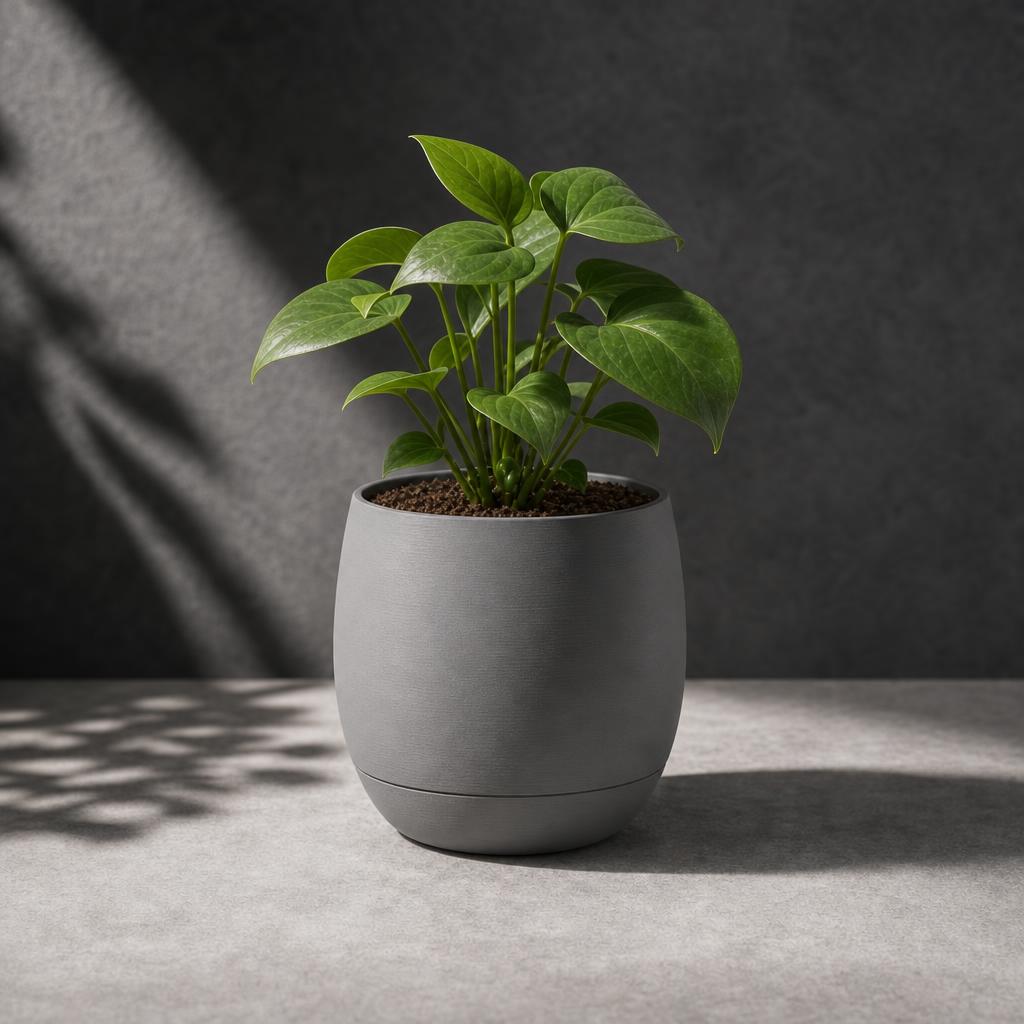
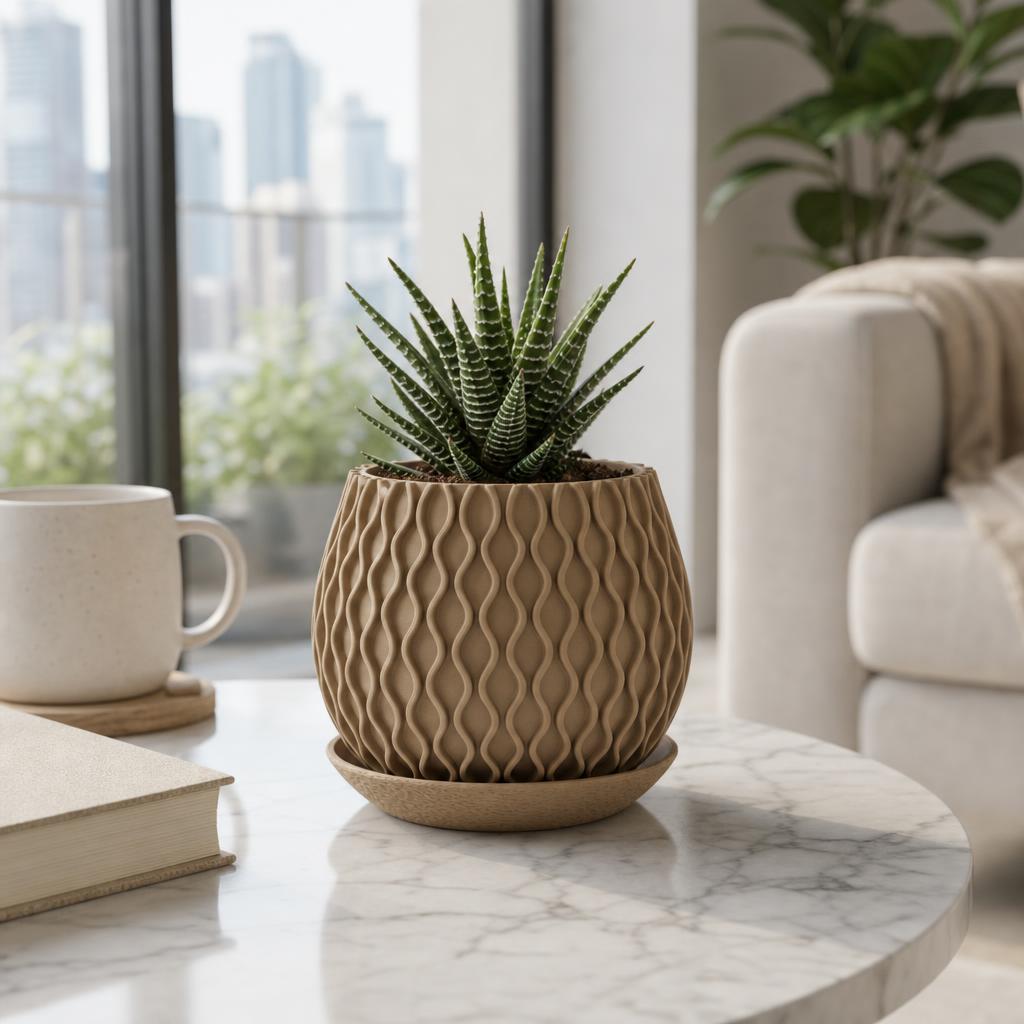
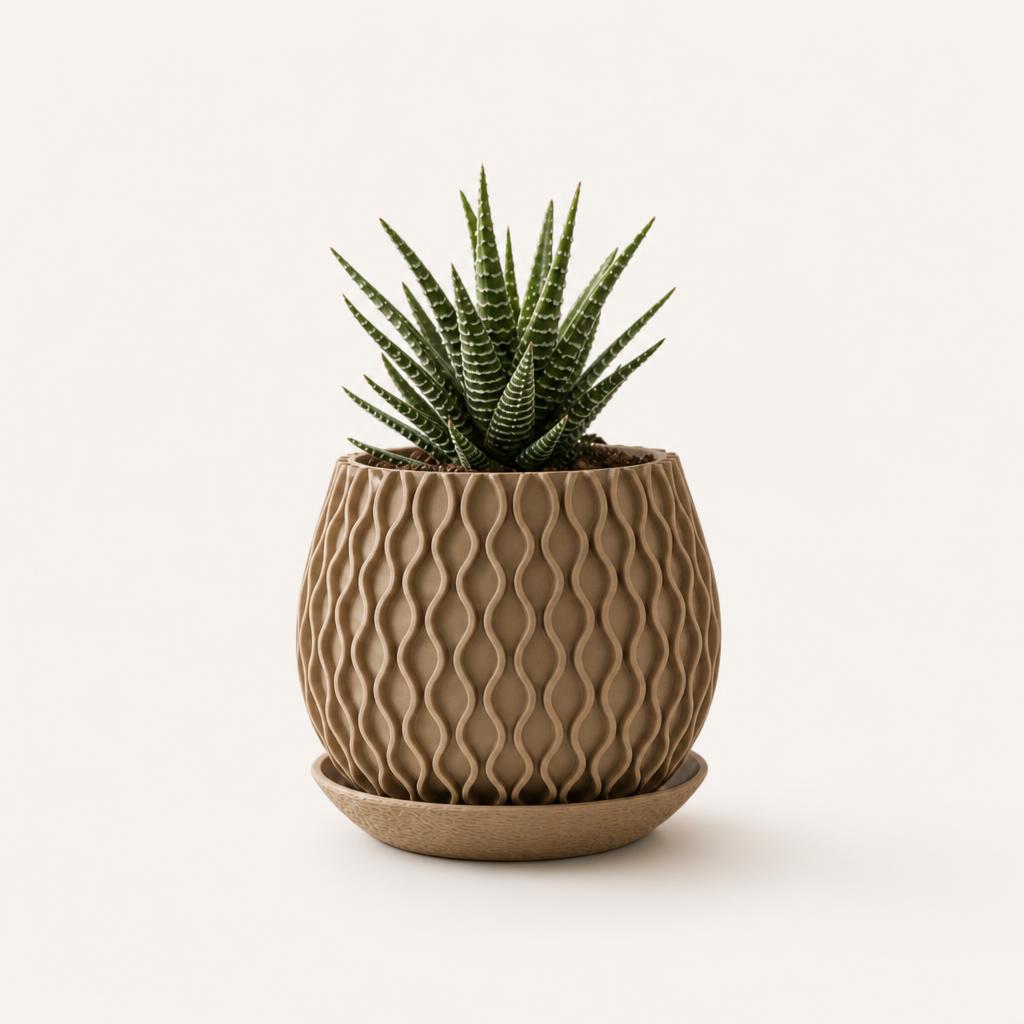
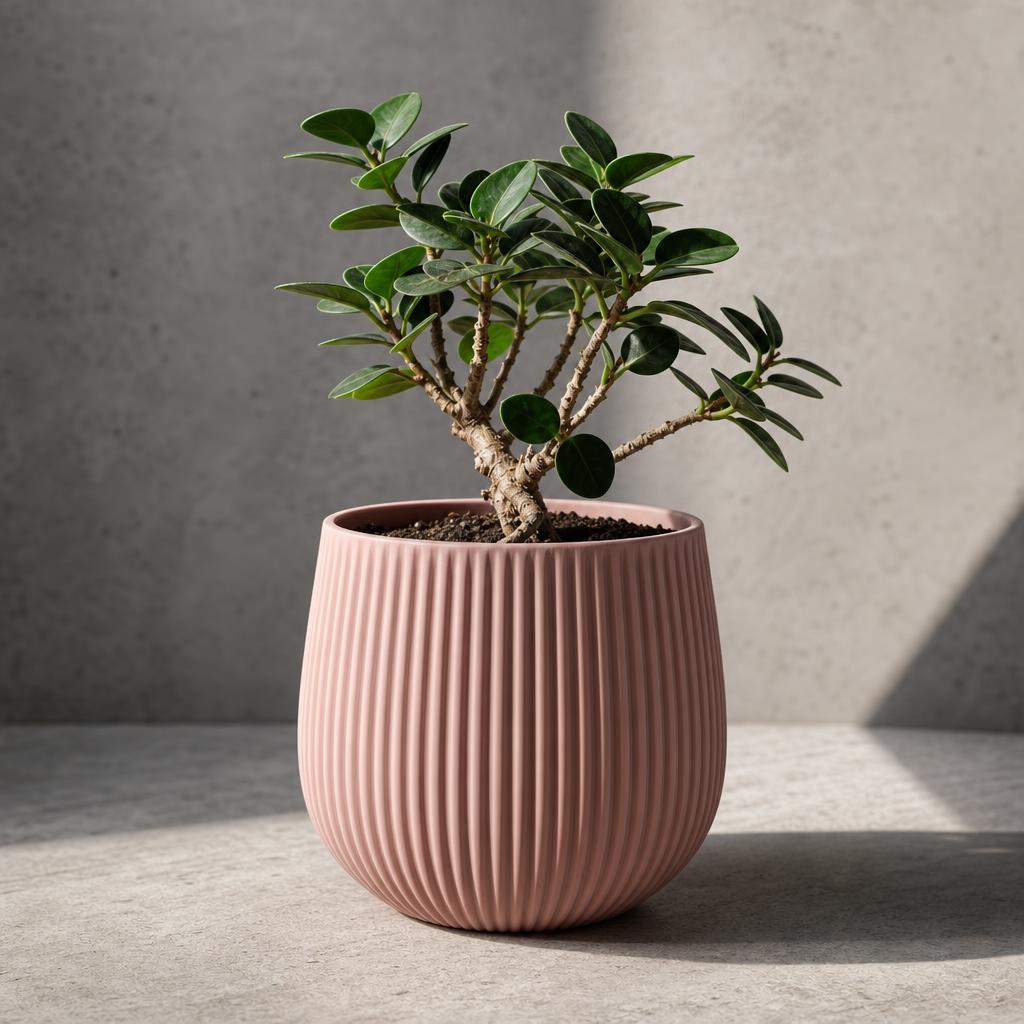
Every pot here drains, so herbs don’t sit in water. Choose Medium (15 cm) for one herb, or Large (20 cm) for rosemary, a lot of parsley, or two herbs together. For a sill in hot afternoon sun, choose Outdoors.
Questions
Good to know.
Can I grow herbs indoors all year in Australia?
Yes, with enough light. Parsley, chives, mint, thyme and rosemary keep going all year by a sunny window. Basil is the exception: it’s a summer herb and usually dies off in winter outside the tropics, so treat it as a spring-to-autumn crop. Coriander is the opposite: grow it in the cool months.
Which herbs grow best on a kitchen windowsill?
Basil, parsley, chives, mint and thyme. They stay compact, grow back after you pick them, and cope with indoor conditions as long as they get 4 to 6 hours of sun.
What size pot do herbs need?
About 15 cm across for one herb. Go to 20 cm for rosemary, for a lot of parsley, or for two herbs together. Small pots look sweet but dry out quickly in summer.
Can I plant different herbs in the same pot?
Yes, if they like the same conditions. Thyme and rosemary both like it dry and sunny; parsley and chives both like moist soil. Never share a pot with mint: it takes over.
Should I keep my herb in its plastic nursery pot?
Herbs grow better planted into fresh mix in the new pot. If you’d rather swap plants with the seasons, you can keep the nursery pot inside ours: choose a pot 2 to 4 cm wider than the nursery pot.
Are kitchen herbs safe for cats and dogs?
Basil, thyme, rosemary and coriander are listed as non-toxic to cats and dogs by the ASPCA. Chives are toxic to both. Parsley and mint are toxic in large amounts. If your pet has eaten a plant and seems unwell, call your vet.
Why does my supermarket basil always die?
It’s usually many seedlings packed into one small pot, grown fast in a greenhouse. Split the clump into two or three, pot each one up in herb mix, and give them your sunniest window.
Keep reading
More grow guides.
- Home office
- Office
- Pet-safe plants
- Balcony
- Bathroom
- Low light
- Gift ideas
- Pot sizes
- Which pot for your plant? (with the size guide)
Pet safety from the ASPCA plant list. Bunnings links open a search on bunnings.com.au; we’re not paid for them.