Drainage
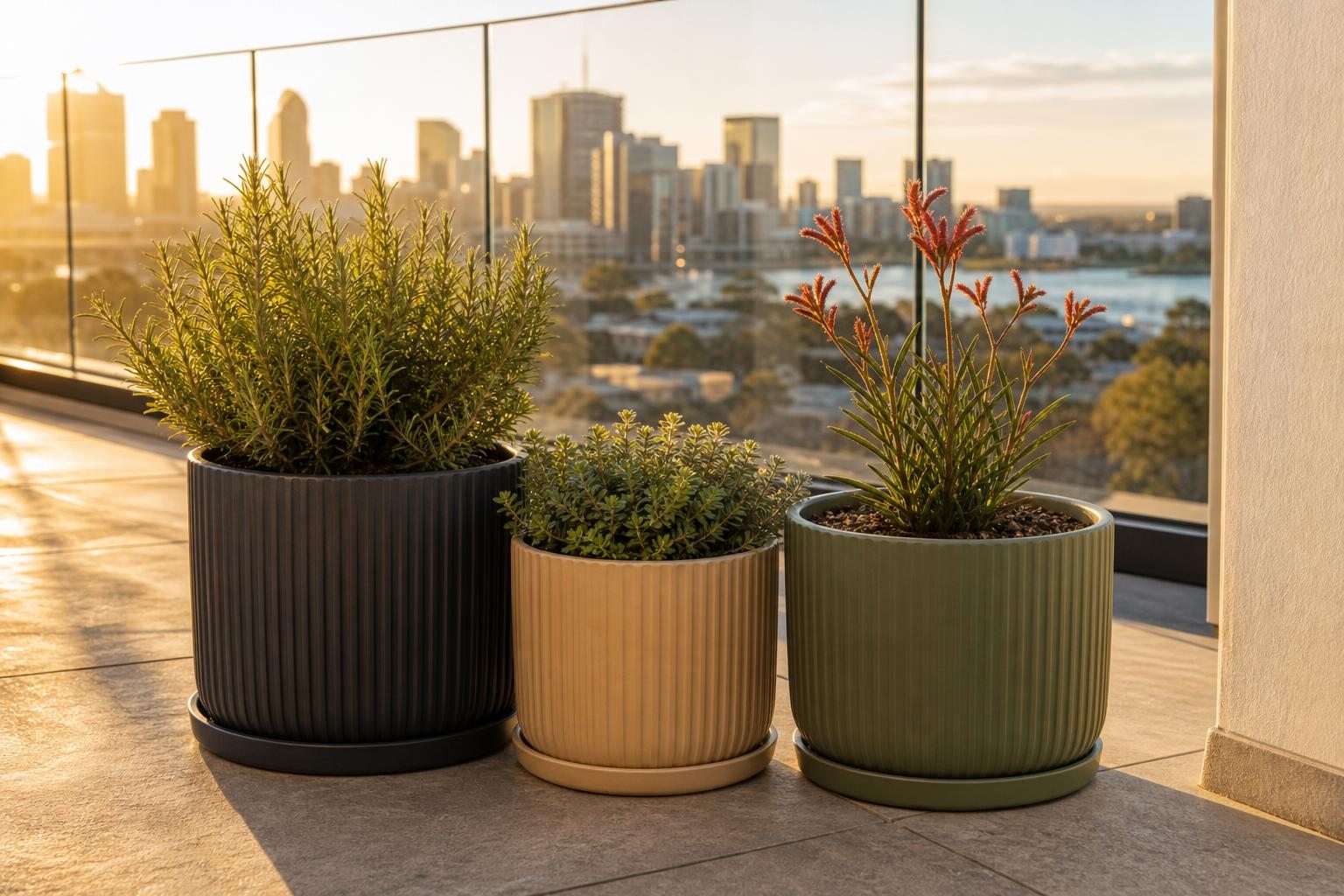
Plant pots with drainage built in.
Our plant pots let water out through the base, so it runs away instead of sitting around the roots.
Why it matters
Most houseplants that die indoors are overwatered, not underwatered. In a pot without a hole, extra water pools at the bottom, the roots can’t breathe, and they start to rot.
A drainage hole lets that water out. Water until it starts to run from the bottom, let it drain, and you know the whole root ball has had a drink. Use the drip tray (or a saucer) to catch what runs through, so your shelf or windowsill stays dry.
You can still keep your plant in its plastic nursery pot inside ours: choose a pot 2 to 4 cm wider than the nursery pot. The plant guide shows which of our pots fit common plants.
-
Indoors & outdoors
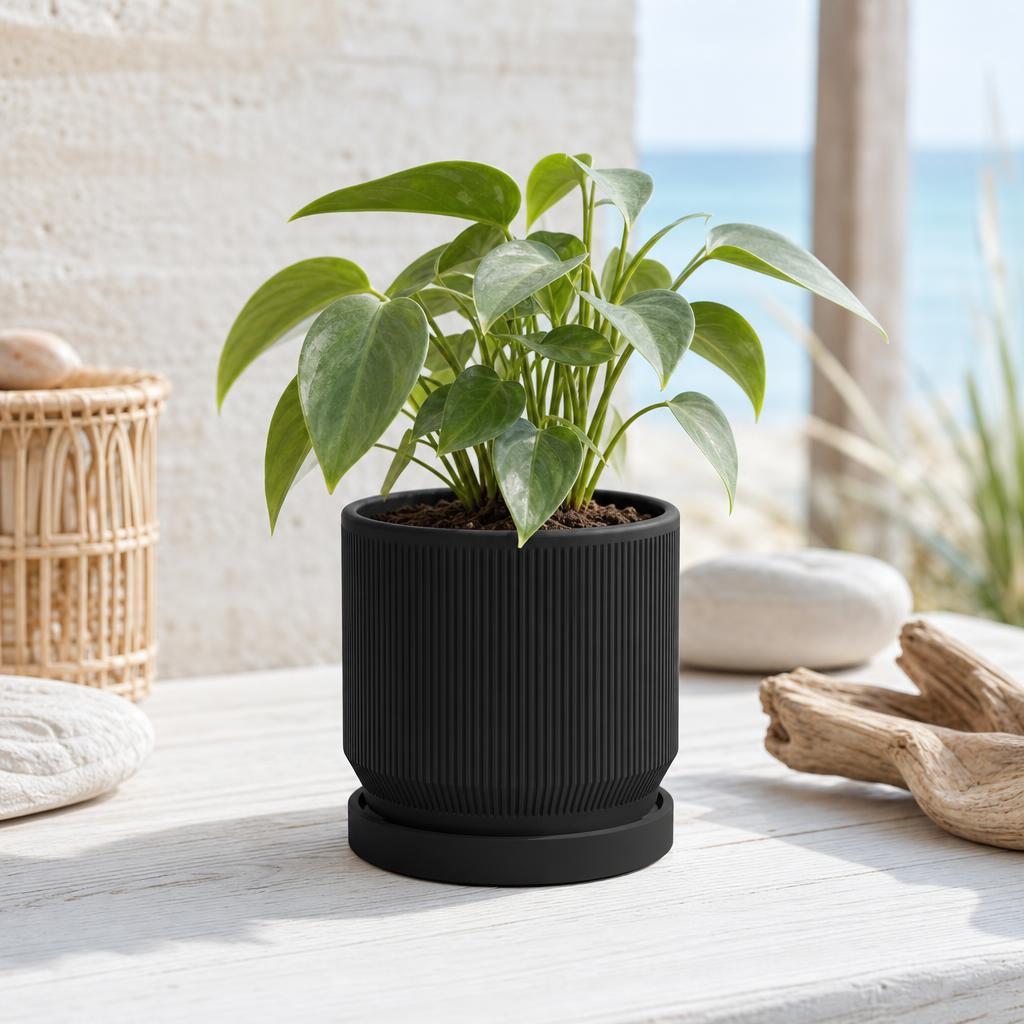
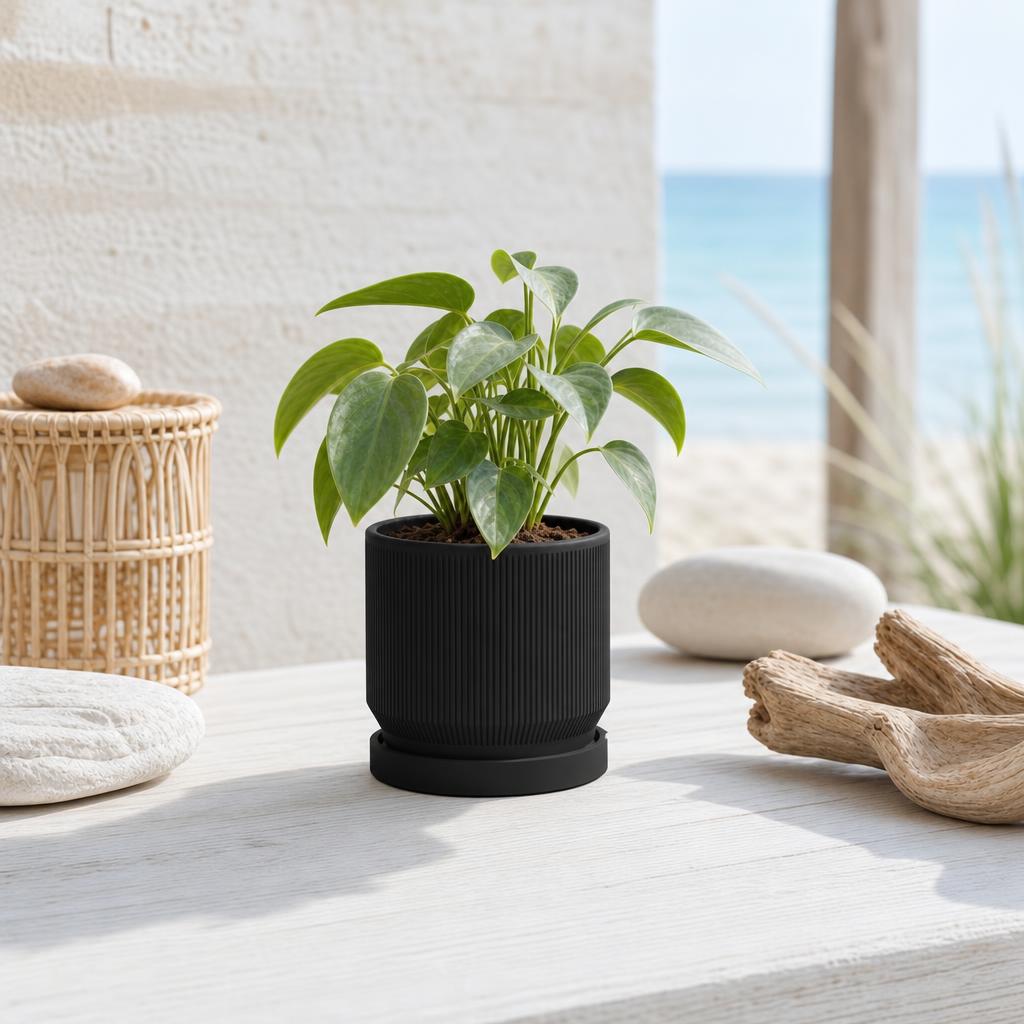
Mid Century Modern Ribbed Planter with Tray
+5Drip tray
-
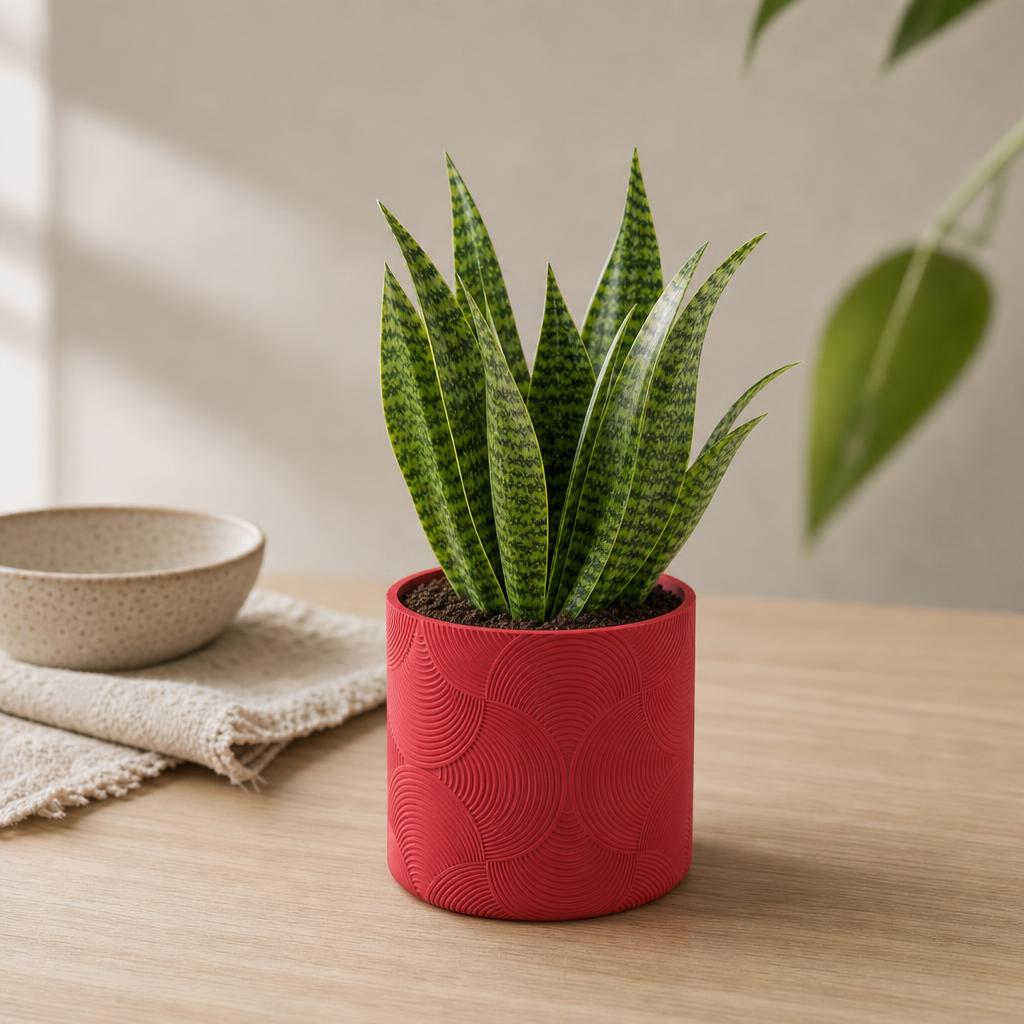
Indoors & outdoors
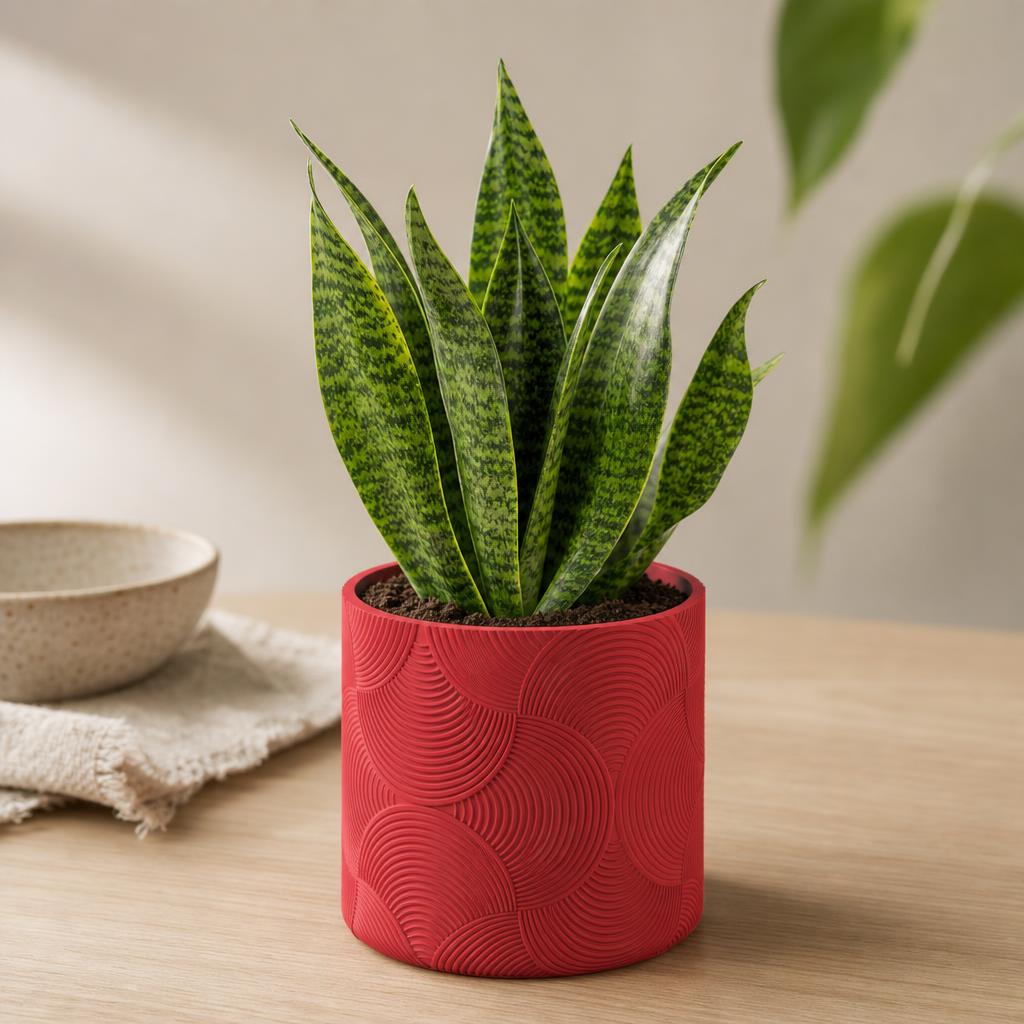
Boho Desktop Plant Pot with Hidden Drip Tray
+8Drip tray
-
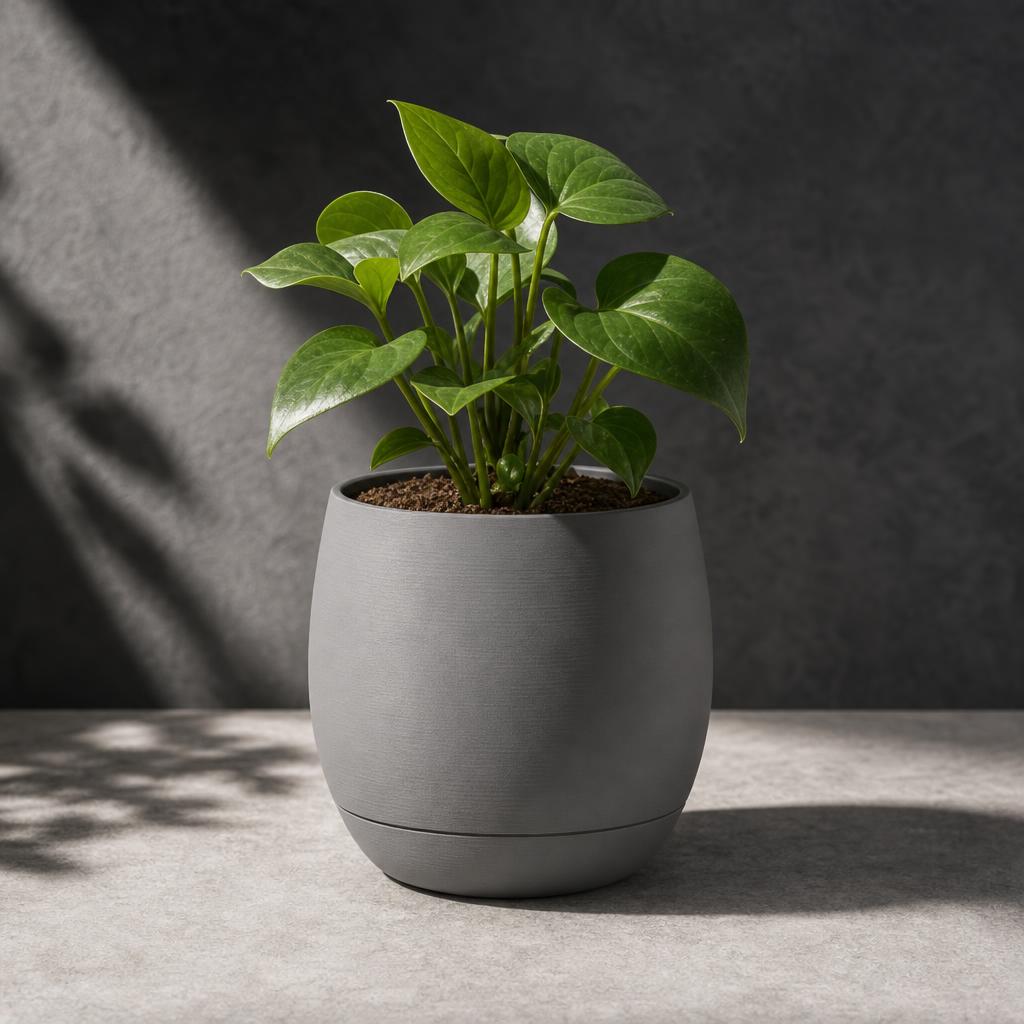
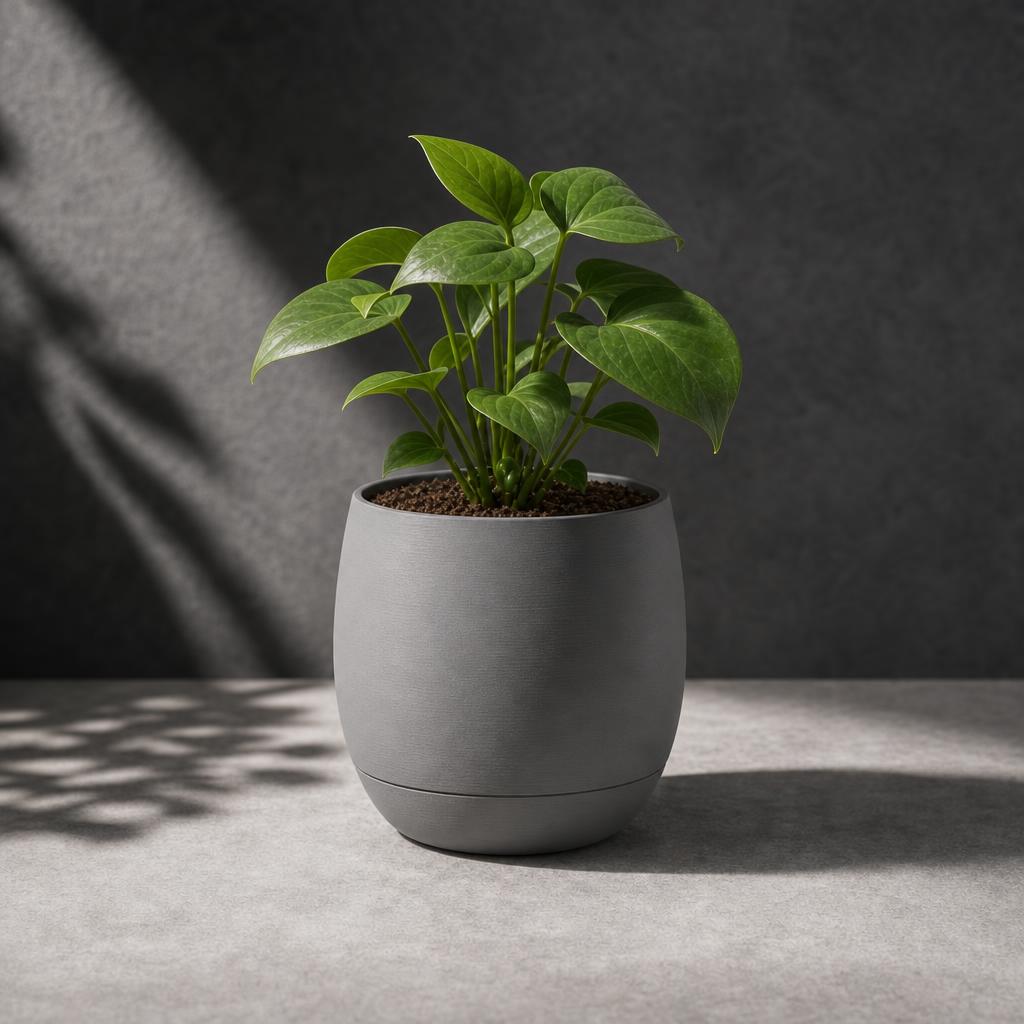
Indoors & outdoors
Aurex Indoor Plant Pot with Drip tray
+7Drip tray
-
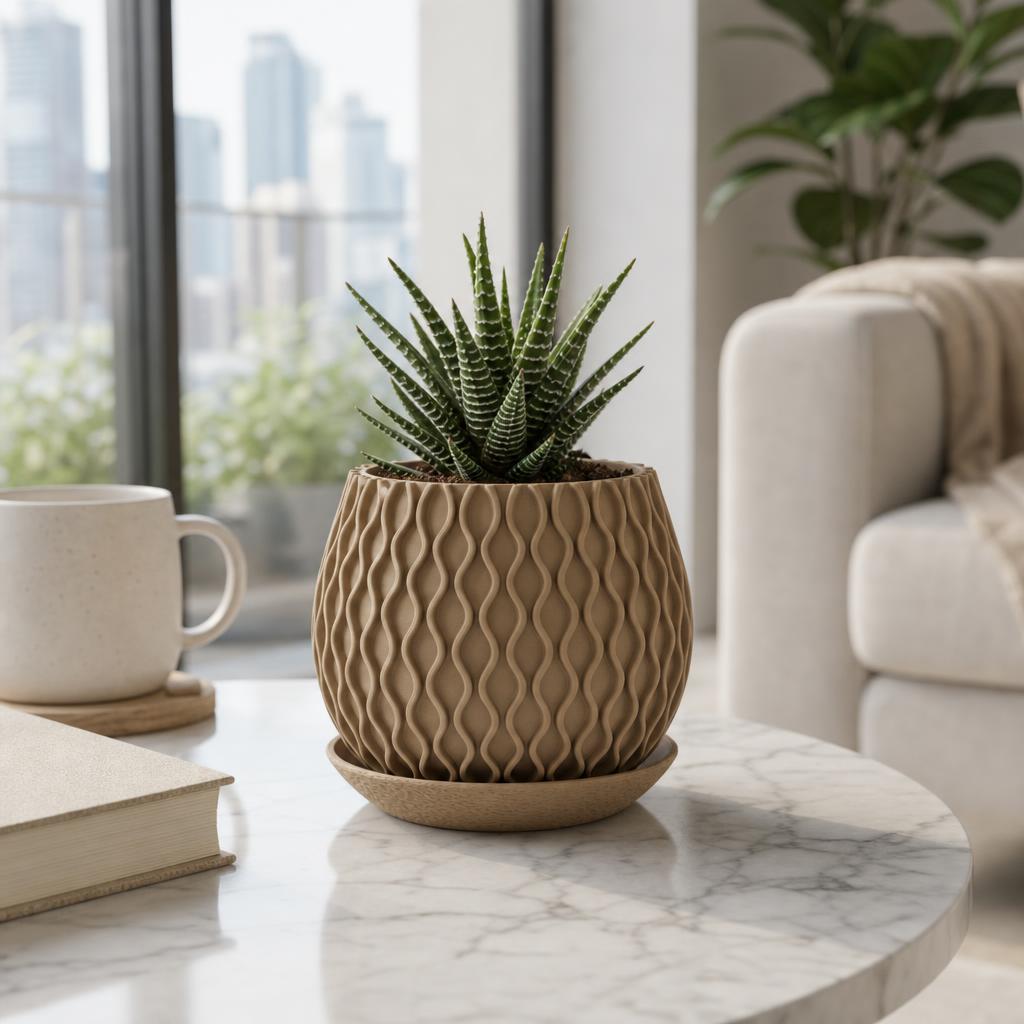
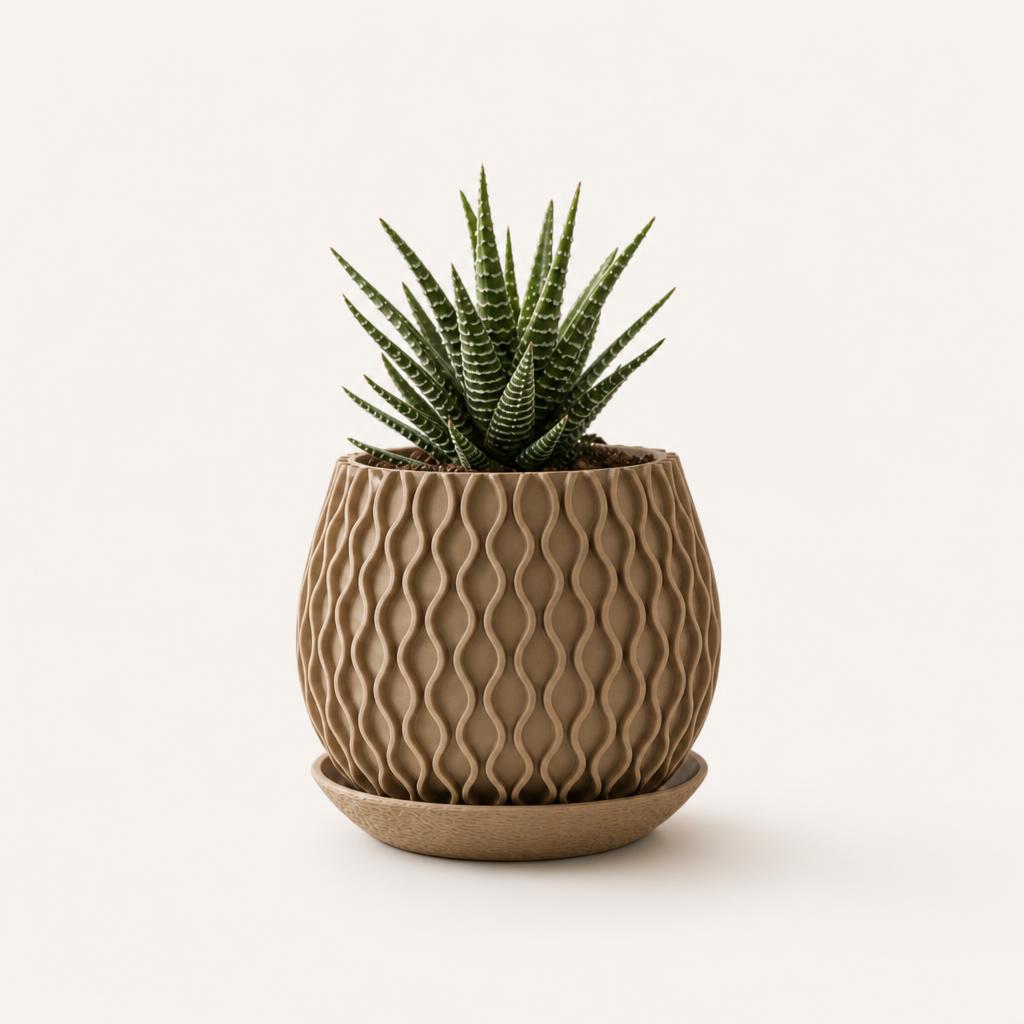
Indoors & outdoors
Hertz Decorative Wave Plant Pot with Drip Base
+8Drip tray
-
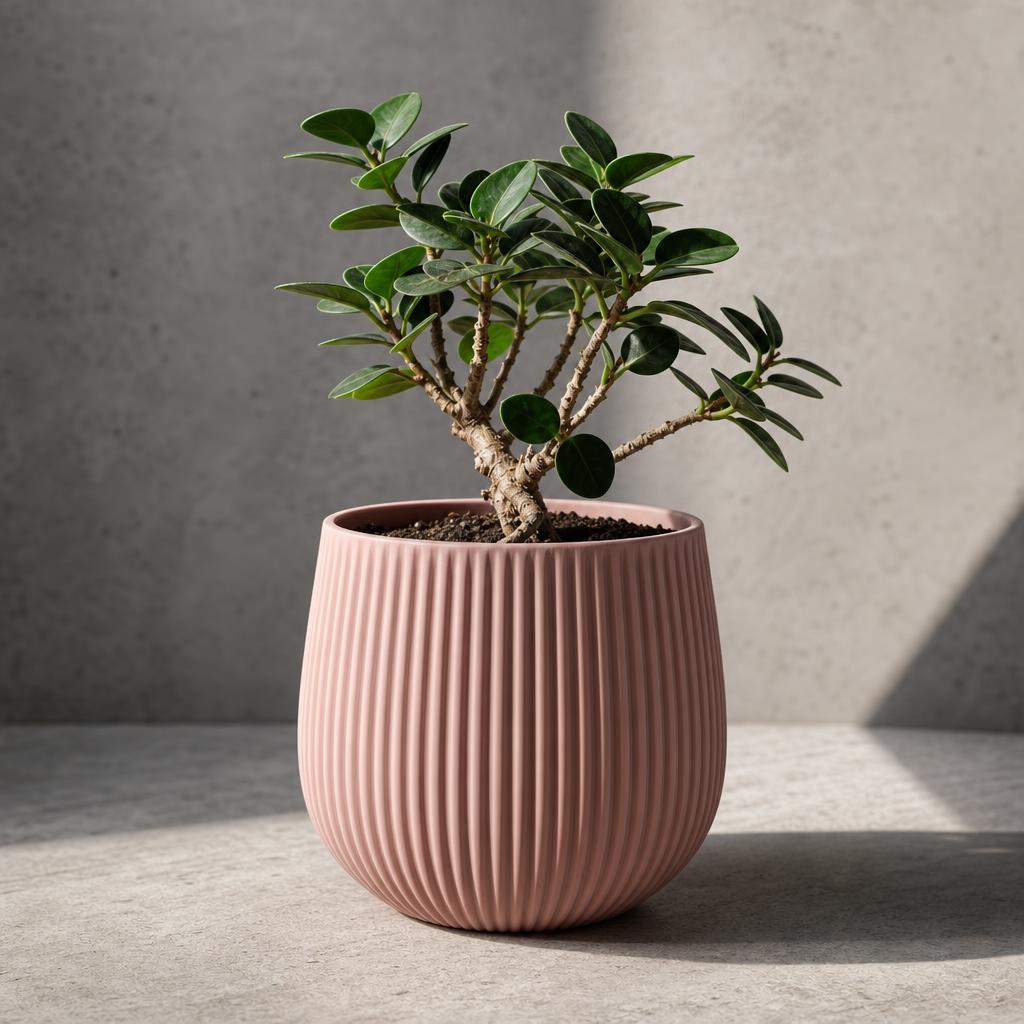
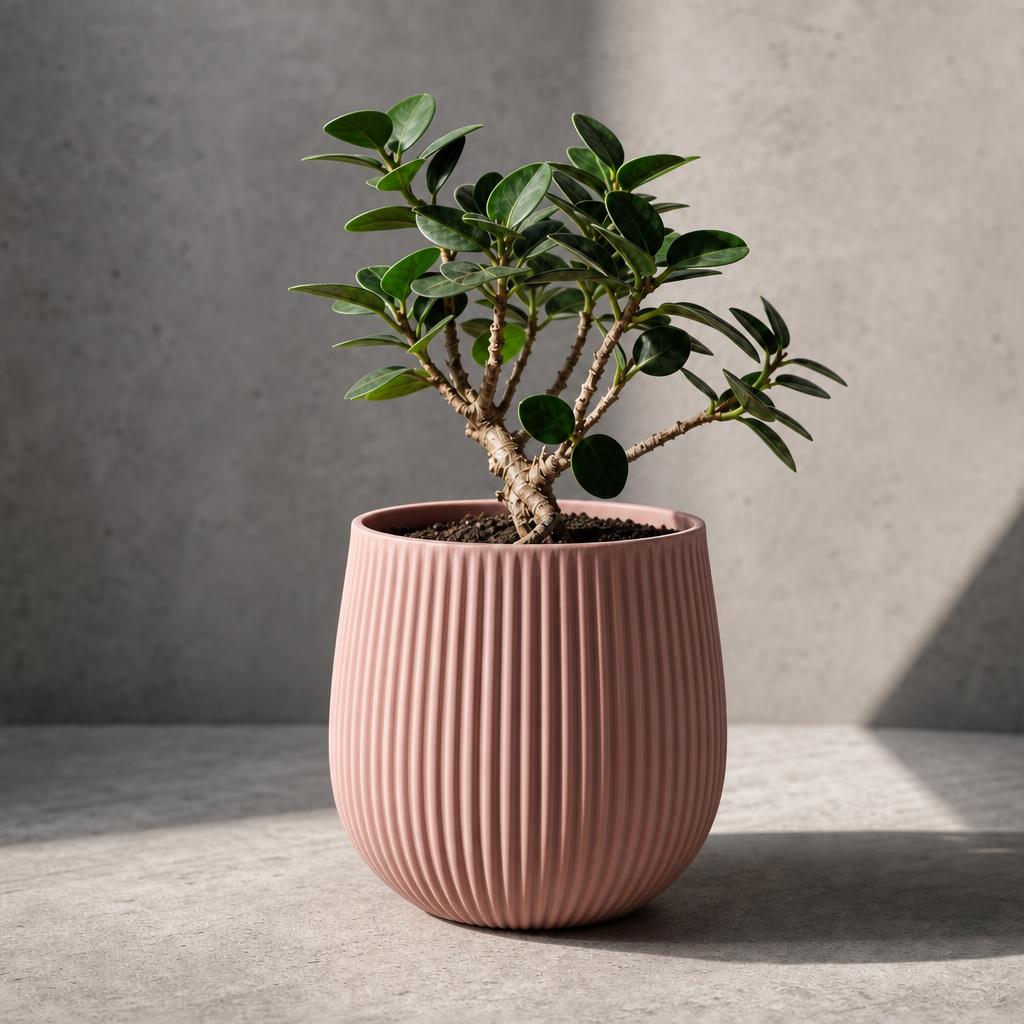
Indoors & outdoors
Modern Ribbed Plant Pot
+8Drainage holes
Size guide
Which size do you need?
Measure your nursery pot’s diameter and go one size up. A 2–4cm gap gives roots room without swamping them in extra soil.
Look for a pot 16–18 cm across.